Interview with Luis Olivan Tenorio, overall winner of URBAN Photo Awards 2025 / #URBANinsights
Hi Luis, thank you for taking the time to speak with us. How would you introduce yourself to those who aren’t yet familiar with your work and your identity as a photographer?
Hi, thank you so much for the interview! As a photographer, I try to capture the unexpected beauty and stories of everyday life: moments that catch my attention and that I feel would be a pity not to capture and share with others who might be moved by them as well.
I think that color, emotion, and a subtle sense of mystery are recurring elements in my work. Actually, I like to create photographs that invite interpretation and reflection, leaving room for the viewer to find their own meaning. In short, I try to approach the world with curiosity and sensitivity.
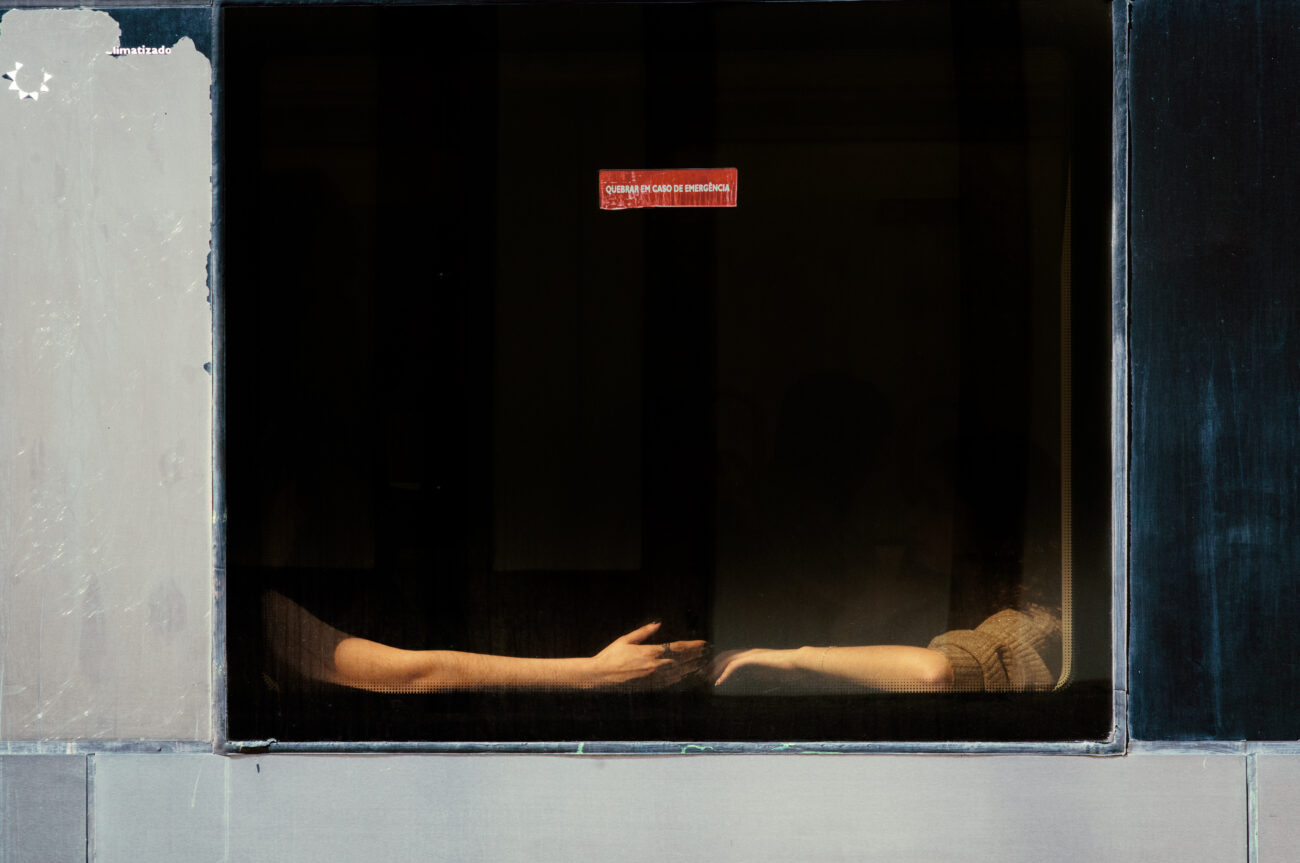
Congratulations once again on “Porto in May,” the shot that won the Single Pictures section at the 2025 URBAN Photo Awards, personally selected by Paolo Verzone. Can you tell us more about that moment inside the train carriage at São Bento station? What were you seeking to capture in that frame?
First of all, thanks so much to the festival, the jury, and Paolo for the award, I’m incredibly honored. I have submitted pictures in previous editions, and the level of the participants and the quality of the work are always exceptionally high, so this is truly a dream come true for me.
About the picture, I was visiting Porto on a family trip, and I decided to set aside a day just for myself so I could focus entirely on photographing at my own pace. Since we had already visited several spots around Porto in the previous days, I planned a small route, thinking carefully about the time of day I wanted to revisit certain places, in order to make the most of what I believed would be the best light.
São Bento train station is one of Porto’s must-see. The station’s main hall is covered in exquisite tiles that tell the story of Portugal, and you reach it after passing through a façade adorned with beautiful stained-glass windows. I thought that when the sun shone directly through the stained glass, the hall would be flooded with a very special light.
I spent quite a while in the hall and managed to capture some interesting photographs. But one of the things you quickly internalize as a street photographer is that it’s always a good idea to move, to explore, to look for different viewpoints and new ways of seeing spaces and scenes. So I ventured further into the station and noticed how the spring light, softened by thin clouds that had brought light rain in the previous days, also fell beautifully on certain areas.
As I walked along the platforms, I noticed a particular train on the other side of the tracks: the sun illuminated only what was happening by the windows, and the scenes inside the carriages reminded me of small theatrical performances framed by the glass. With a 75mm lens, I moved along the platform, capturing many scenes of travelers waiting for the train to depart, and I imagined a different story for each one, trying to interpret what I saw through the windows. When I reached a carriage where two young women were gesturing animatedly, bathed in that golden light, I immediately stopped, sensing that something special might happen. And then it did: a fleeting moment filled with intimacy, delicacy, and beauty.
As is almost always the case in street photography, the image was the result of intuition, patience, luck… and having the camera ready!
Being recognised on an international platform like URBAN is a significant milestone. Can you take us back to the moment you heard the news? Did you expect this result, and what was your immediate reaction to being named the overall winner?
It was a huge surprise. Due to, let’s say, “a series of unfortunate events,” I wasn’t able to attend the ceremony, something I deeply regretted… and even more so once I found out I was the overall winner!
I belong to a very active street photography community in Spain called The Street Photography Club, run by my friend and brilliant photographer Jota Barros. A few days after the ceremony, one friend from the community suddenly congratulated me publicly on the Telegram channels we use daily. At first, I didn’t understand what the congratulations were for, but he included a link in his message. I clicked on it… and, oh wow.
I was so surprised that I immediately messaged the organization to ask if it might have been a typo and perhaps the winner was someone else. But they replied within minutes: it wasn’t a typo!
Over the past few years, I had been selected as a finalist in some festivals with different images, but this was the first time I actually received an award. It was incredibly exciting!
How would you describe your visual language? Are there photographers, past or present, who have particularly shaped the way you see the world?
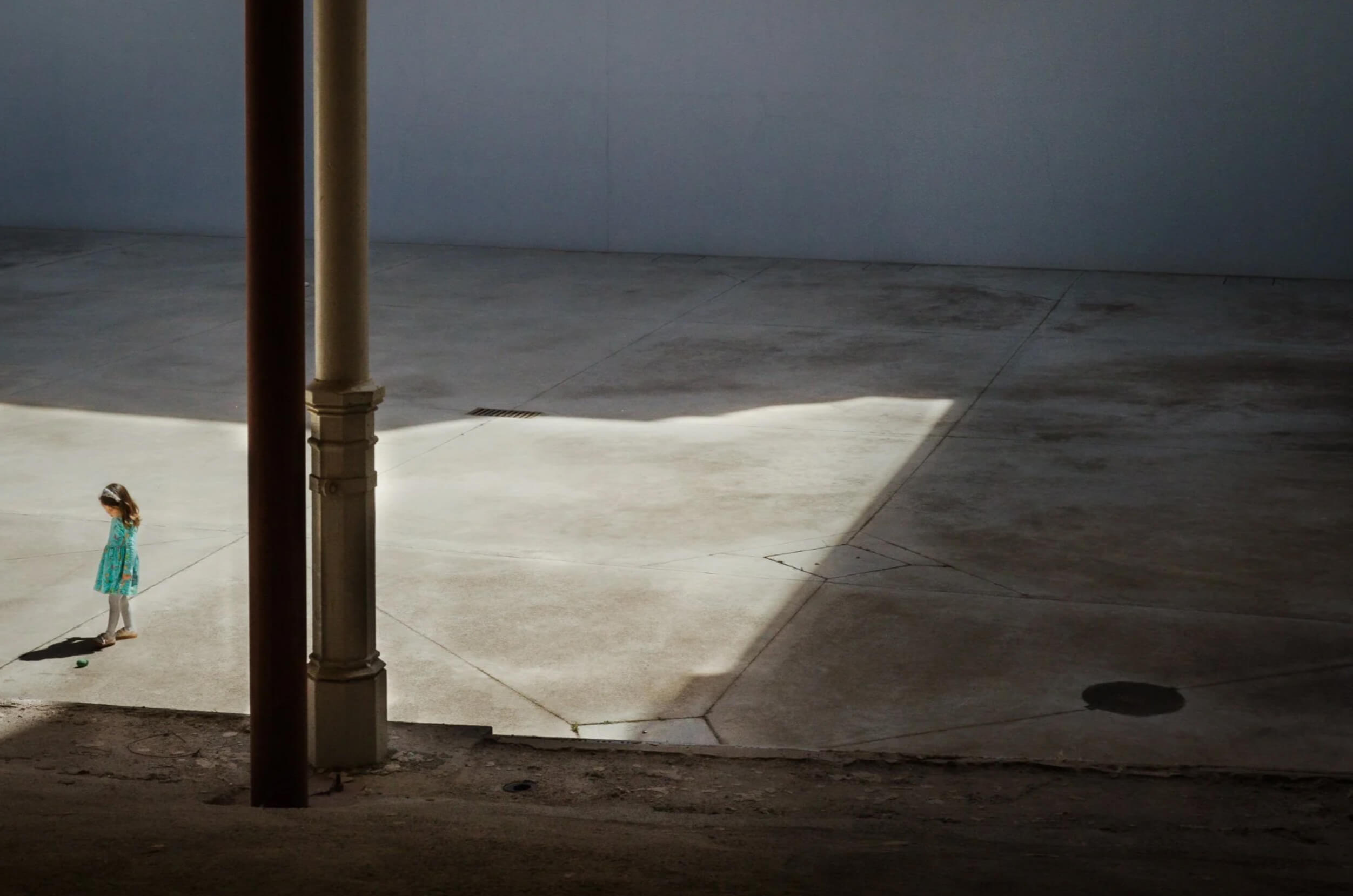
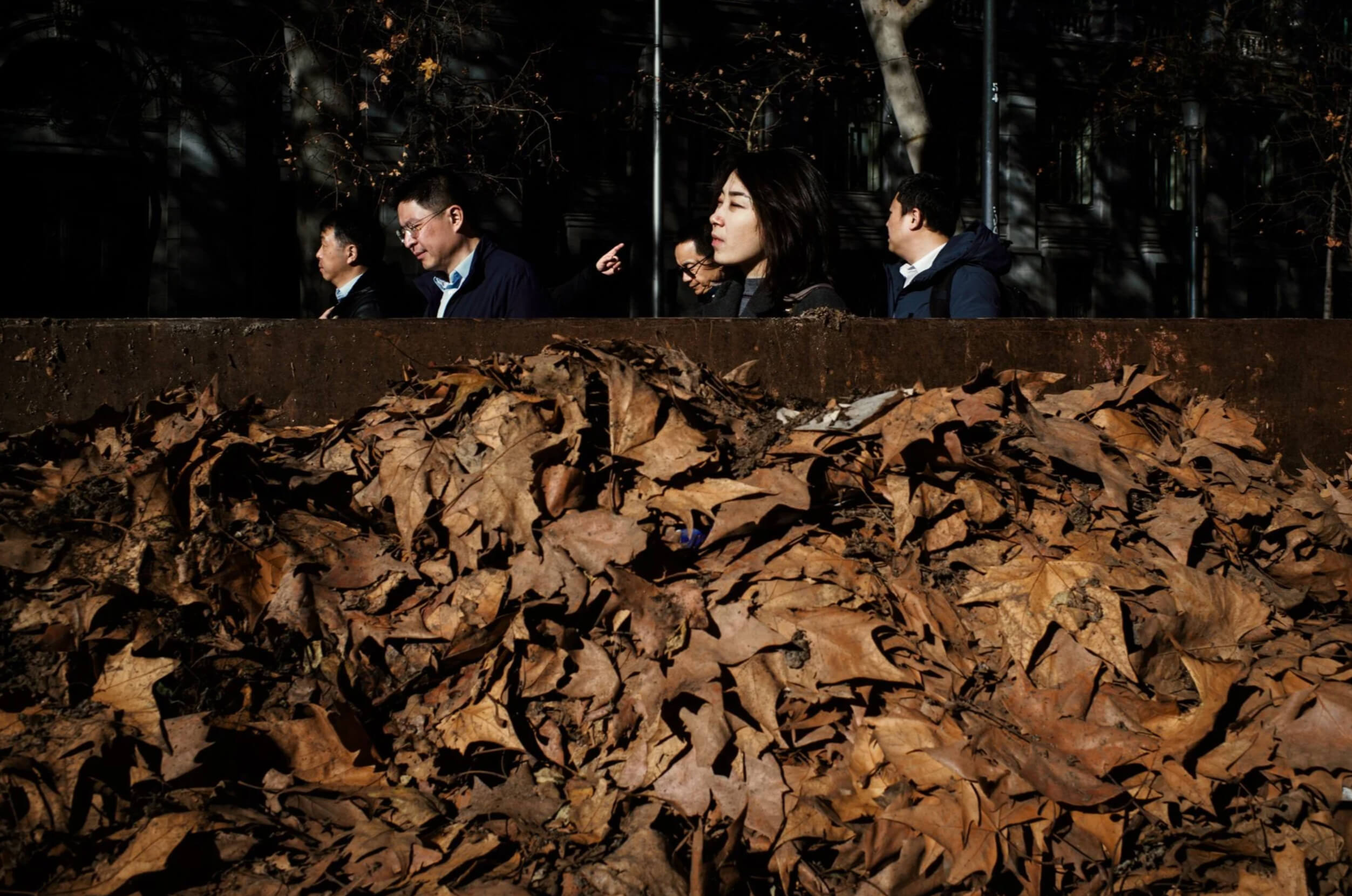
One of the things I’m most conscious of when shooting, selecting, or processing my pictures, is that one of my goals is to elevate ordinary scenes. I intentionally aim to sublimate those beautiful, fleeting moments that might easily go unnoticed, turning them into something memorable that lingers in the mind long after they’ve been seen. By highlighting their uniqueness, I try to transform them into something poetic, unexpected, and open to deeper interpretation.
Also, color plays a central role in my work. I use it not merely as a visual element, but as part of an emotional language that emphasizes the beauty of the moments I wish to preserve.
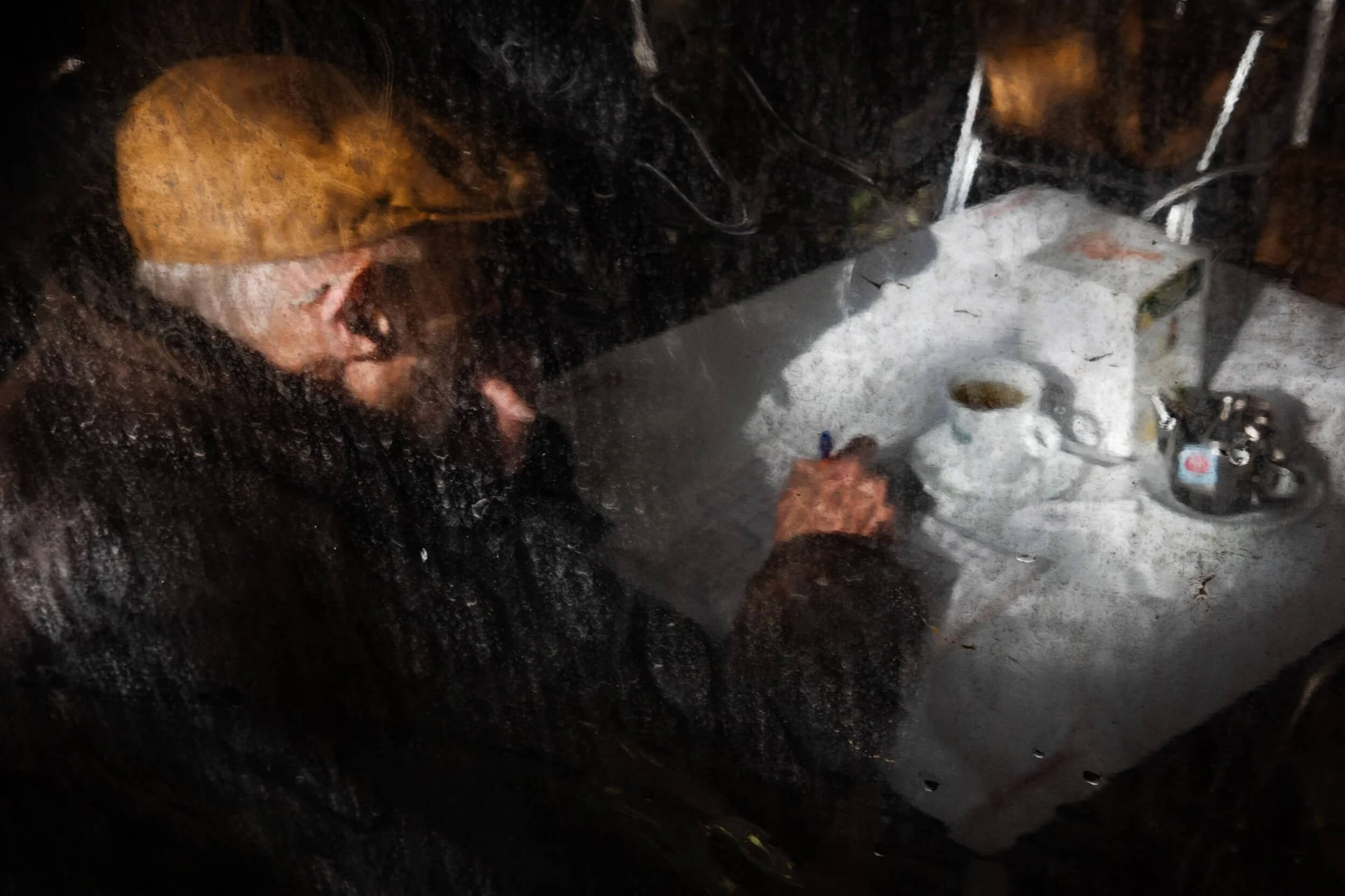
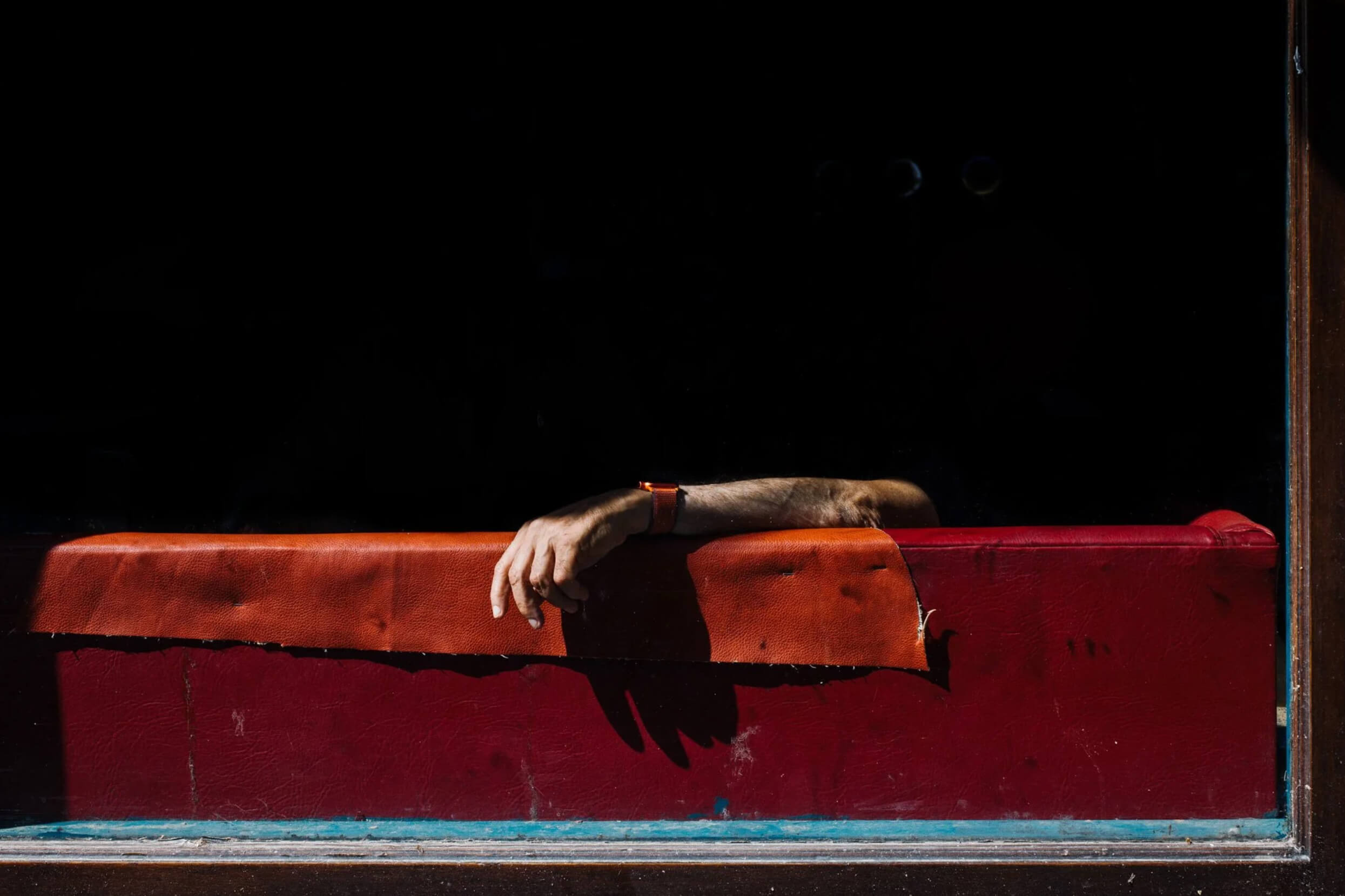
I’m also drawn to incorporating a subtle sense of mystery. I’m rarely interested in explaining everything with my images; instead, I strive to create photographs that invite interpretation, ambiguity, and personal reflection. I want the viewer to feel that something is happening beyond what is immediately visible, that there is a story suspended in time.
As for photographers who influence the way I see the world, there are so many! One of the artists I admire most is Trent Parke. It’s fun because the part of his work that usually impacts me most is in black and white… and, so far, I only shot in color. However, I’m deeply inspired by how his images go far beyond extracting something exceptional from reality: instead, they seem to create an alternate world hidden within our own. Some of his work quite literally leaves me speechless.
I’m also drawn to the subtle and poetic vision of Rebecca Norris Webb. I think she has an extraordinary ability to create images of scenes that are perfectly recognizable, sometimes even familiar, and infuse them with a layer of honest emotion and poetry that I deeply resonate with.
And, just to keep this answer from becoming endless, I’ll mention Harry Gruyaert. His use of color is mind-blowing, allowing him to transform ordinary scenes into powerful images that can feel costumbrist, surreal, and even abstract at the same time.
Let’s take a step back: how did your love for photography begin? Was it an instant spark or a passion that developed over time? Do you consider photography your main profession, or do you see it more as a space of creative freedom where you can explore and express your passions?
I think my love for the visual arts comes from my childhood and from my parents’ love of cinema. During the ’80s, you could only watch films in movie theaters, on conventional TV, or, if you were lucky (we weren’t!), on a home video system. My parents would praise dozens and dozens of films they had seen in the past, so I grew up with a kind of Olympus of movies I couldn’t wait to watch, directed by filmmakers I already worshipped… even though I hadn’t seen any of their work yet! When I finally did, because those films were aired on TV, the experience felt almost religious to me: I watched them with genuine devotion.
That passion sparked my interest in media and led me to study communication and later media production. I worked on TV shows, managed media productions, and went on to direct a few short films and music videos, while also pursuing photography to a lesser extent. However, working with moving images usually requires a whole crew and a significant amount of coordination, so over time I grew tired of its complexity and shifted my career in a different direction. Then, in 2020, in the middle of the pandemic, my love for photography was reborn.
Photography, however, is not my main profession. On the contrary, I think I enjoy it even more precisely because my livelihood doesn’t depend on it. That gives me the freedom to do exactly what I want, with very little pressure, and to express myself with complete independence.
Looking ahead, is there a specific project you are currently working on, or a particular message you hope to convey through your images in the near future?
Over the past few years, I’ve been reflecting more and more on why I take pictures. I still haven’t found a fully satisfying answer (who really has?), but that process has helped me identify certain patterns in my archive: themes and subjects I seem to gravitate toward in an almost inadvertent way. I’m now interested in going deeper into some of those topics I clearly resonate with, and perhaps trying to build a more structured discourse around them.
But, as I mentioned before, I want to approach this with no pressure whatsoever. If I manage to bring to the surface an issue that truly moves me and begin developing a specific project around it, that would be wonderful.
If not, I’ll simply continue going out and searching for those small sparks of magic, a process that bring me pure joy.