Interview with Fabio Domenicali, winner of the URBAN Book Awards 2025 / #URBANinsights
Hi Fabio, it’s a great pleasure to have you with us. First of all, congratulations once again on winning the URBAN Book Award 2025.
You’ve mentioned that your relationship with photography began with a camera you received for your First Communion. It’s fascinating to imagine that child starting to frame the world just for fun. At what point did that instinctive gesture evolve into the expressive necessity and authorial awareness that led you to become an multi-award-winning photographer today?
It all started with that camera, many years ago. As a child, I was deeply drawn to my family’s photo albums; I would spend hours flipping through them, observing those fragments of life suspended in time. There was an intimacy and intensity in those images that struck me profoundly.I believe that, deep down, my desire was to capture that same silent power, the same subtle vibration I felt in those gazes and gestures.
Looking at the world through the viewfinder was certainly a game, but it was more than that. It was a way to surprise myself, to get closer to people, to connect with their stories and the life around me. Without being fully aware of it, I was already developing a “gaze“: a personal way of observing and holding onto what would otherwise have gone unnoticed.
I believe the shift from an instinctive, diary-like gesture to an expressive necessity happened gradually, almost without me noticing. As I grew up, I began to look for more than just a memory or the beauty of a moment in images; I wanted to tell stories, explore memory and identity, and question what surrounds us. Photography became a lens to observe things in their complexity, a tool to give shape to thoughts and emotions, and at the same time, to exercise a critical eye on the world.
It was this awareness, the desire to turn observation into narrative, that guided me toward a more organic and personal body of work. And even now, if photography brings recognition, it’s still that childlike curiosity that drives me: the same wonder of looking through the viewfinder, eager to be surprised.
You describe your photography as “diary-like and instinctive,” qualities that emerged while systematically scanning your archive. How does it feel to revisit negatives that have been hidden for years? And how has this encounter with your past influenced your way of photographing today?
Revisiting negatives hidden for years was like opening a time capsule: every image brought back to light gestures, gazes, places, and atmospheres I had almost forgotten. It was an intense experience, a mix of nostalgia and surprise, because you confront both your past and the way you used to see the world then: still raw, guided exclusively by impulse.
This encounter with my past photographs had an almost therapeutic effect: it made me realise how certain visual approaches were already part of my language, even when I wasn’t fully aware of it. Over time, my technique and way of shooting have evolved, but the diary-like, instinctive poetics have remained the same; they are the common thread that binds all my work.
Essentially, rediscovering my archive was a way to reconnect with my original curiosity and to strengthen the balance between instinct and awareness in my photography today.
Your book, Teren Zielony (Green Zone), began with a journey to Poland in 2008. You initially set out with the idea of exploring the historical scars of the occupation and the Holocaust, but then your attention was gradually shifted to the landscape and its suspended atmosphere. You then returned to those same places fifteen years later, fearing everything would have changed. How was it to rediscover that “common thread” intact after so much time? Was it Poland itself that kept that magic intact for you?
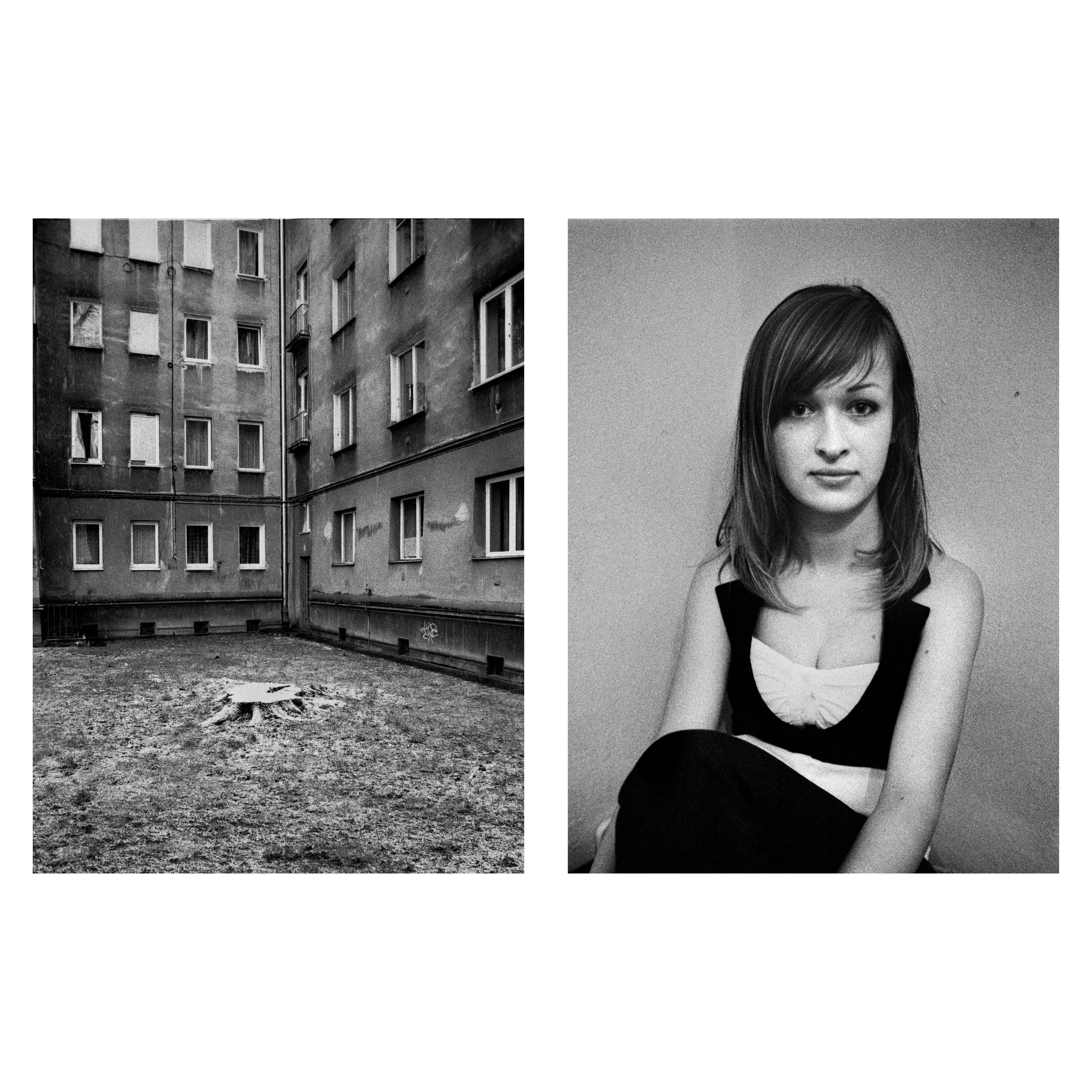
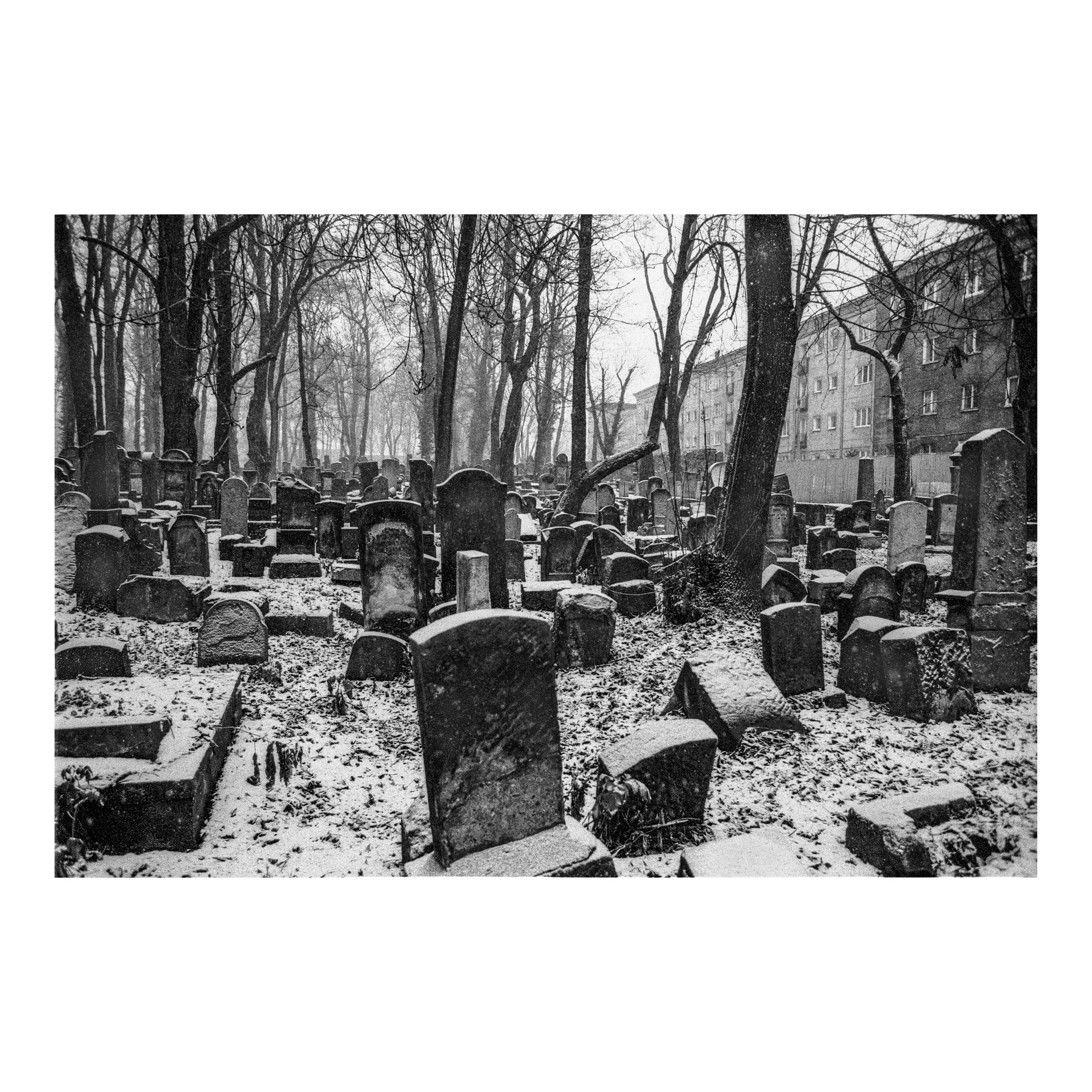
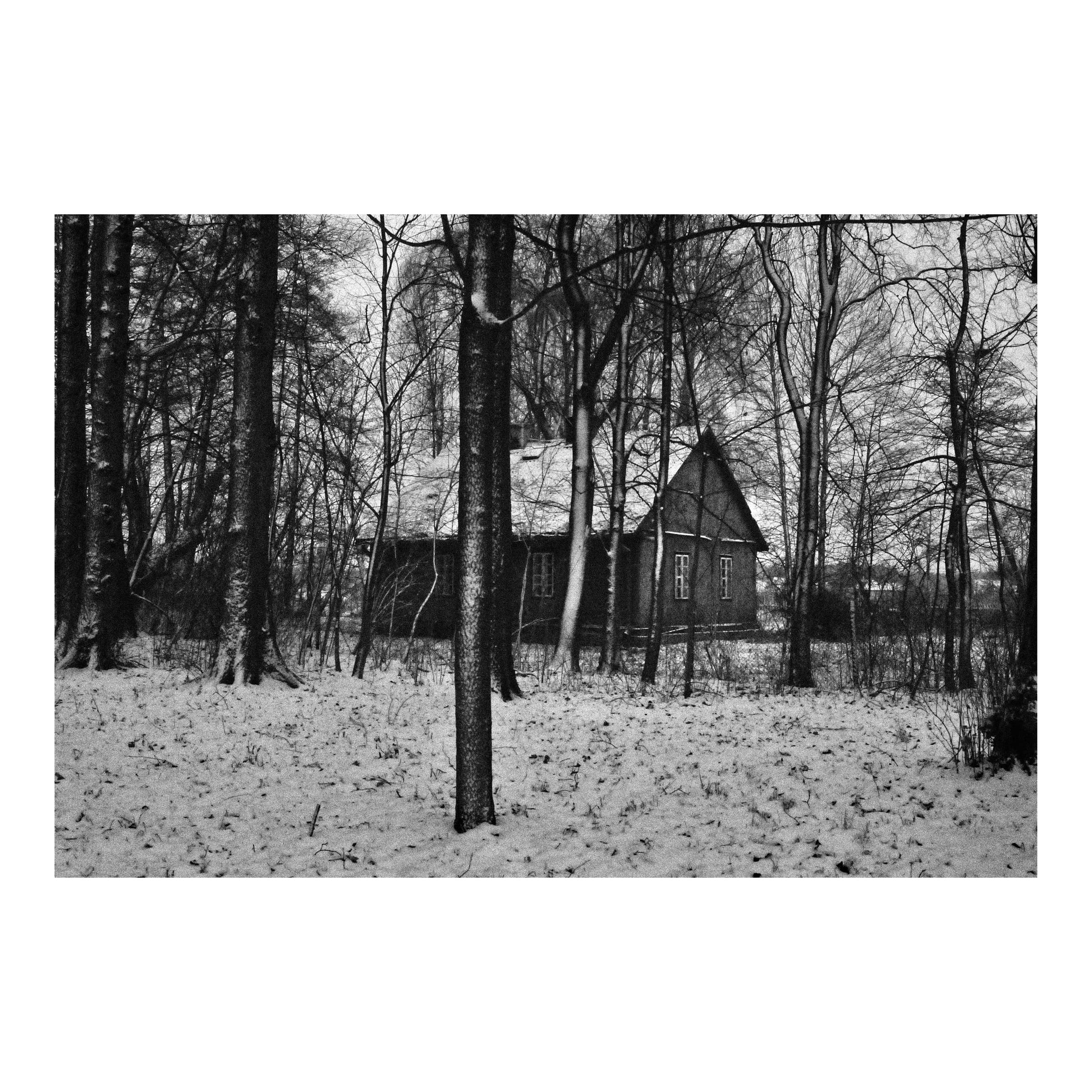
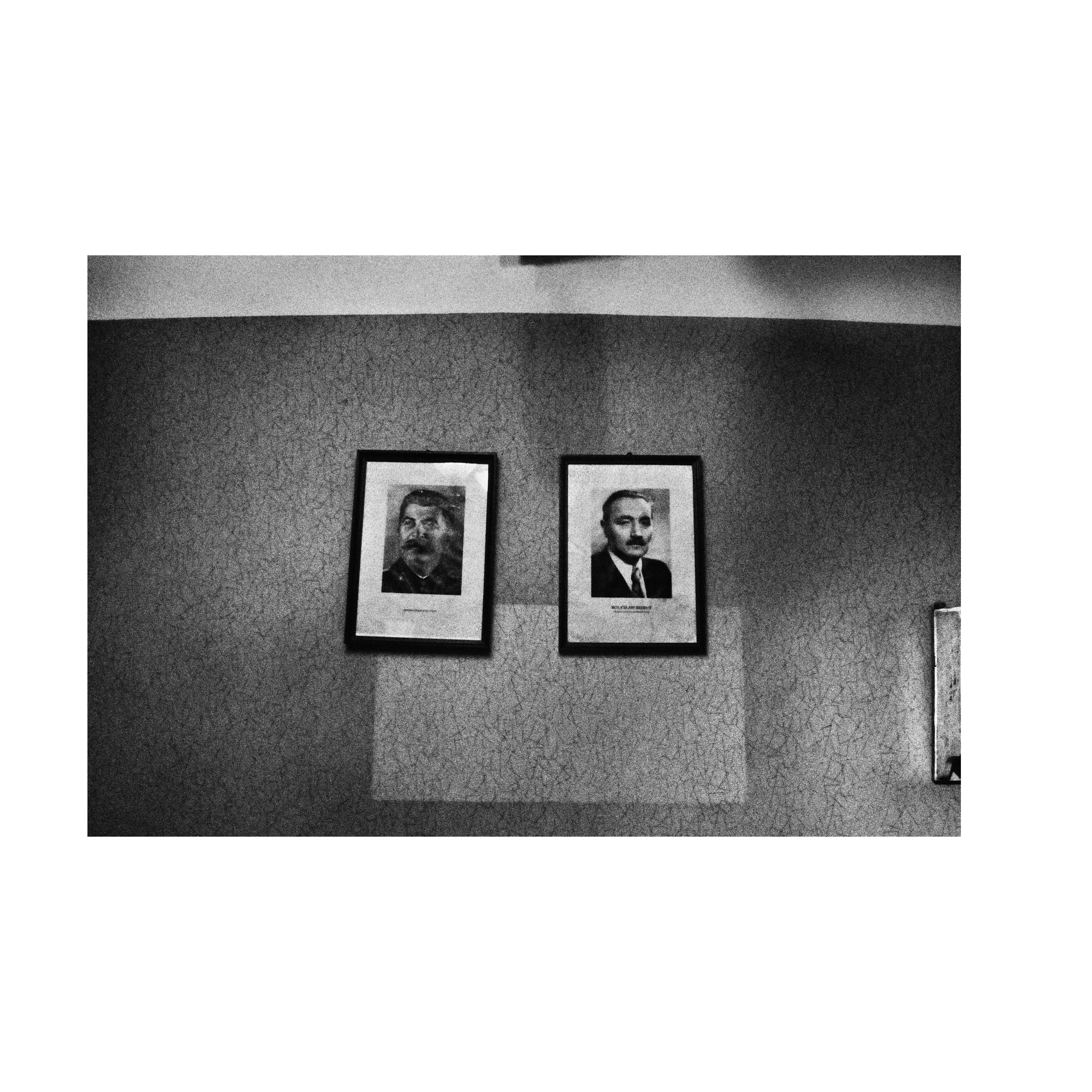
Teren Zielony is an intimate and personal travel diary. In 2008, I went to Poland seeking traces of the dramatic events that profoundly marked the country’s history in the 20th century: the Nazi occupation, the Holocaust, Soviet domination, and the annexation to the USSR. I looked for these traces in Jewish quarters, in labour and extermination camps, in socialist architecture, and the central role of religion on Polish identity.
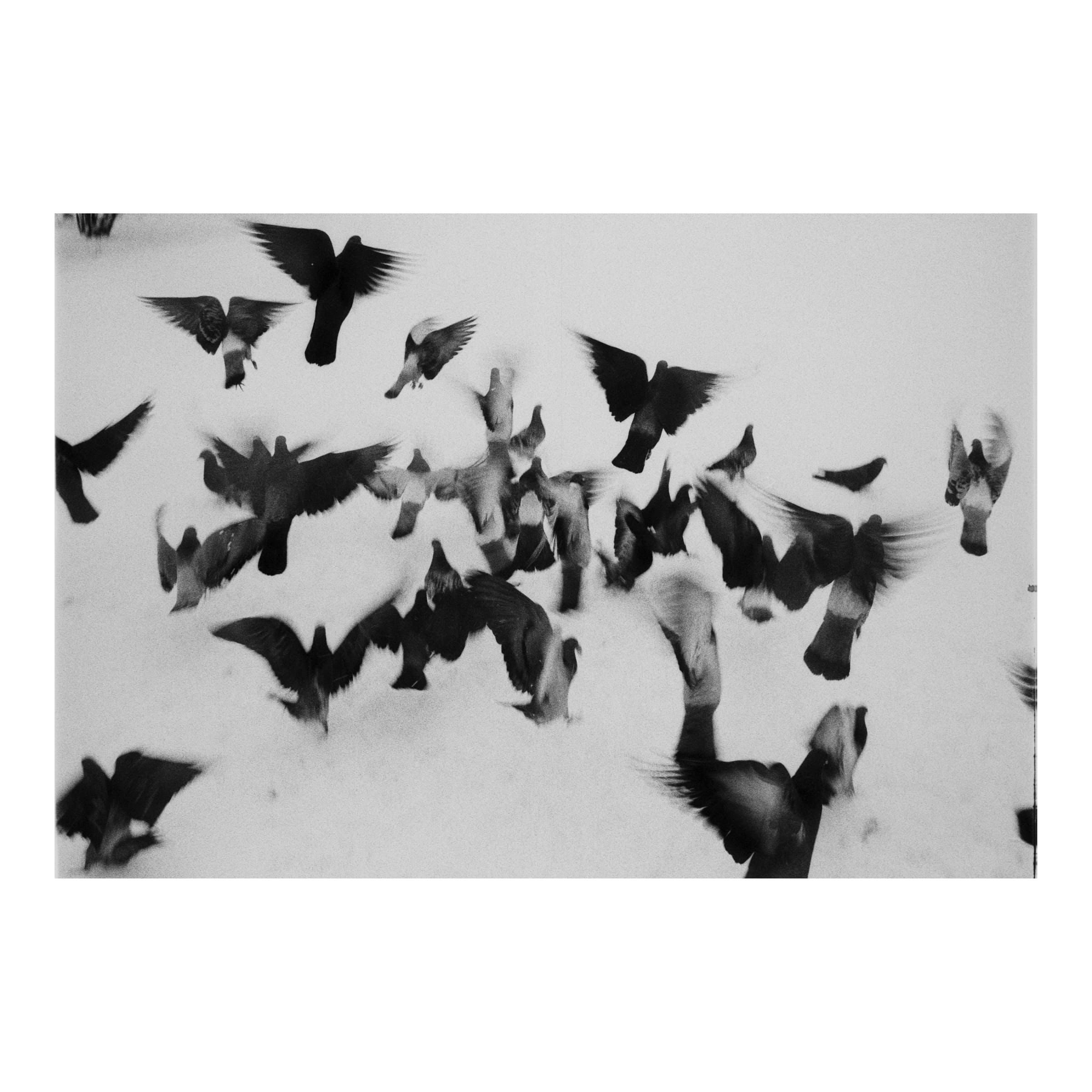
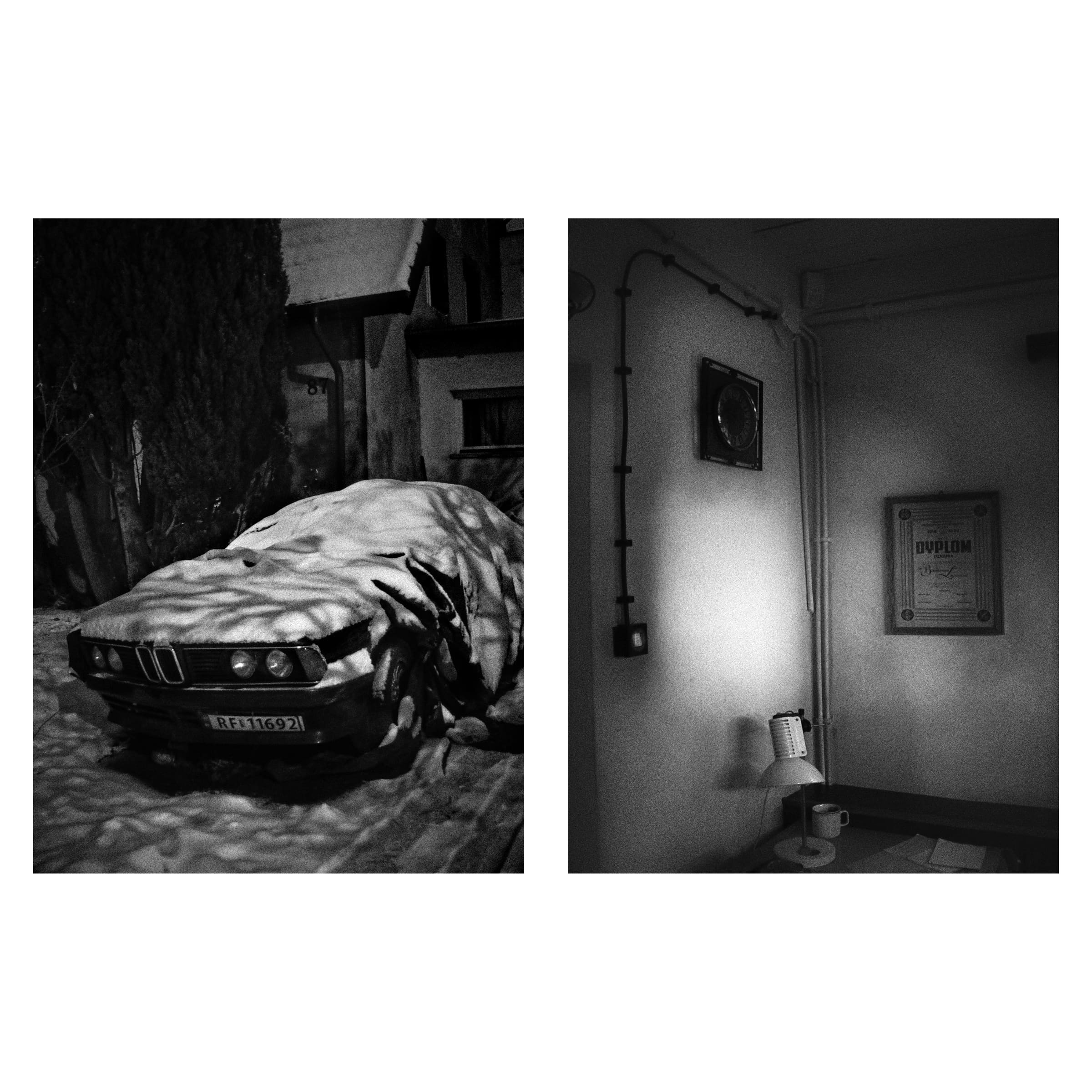
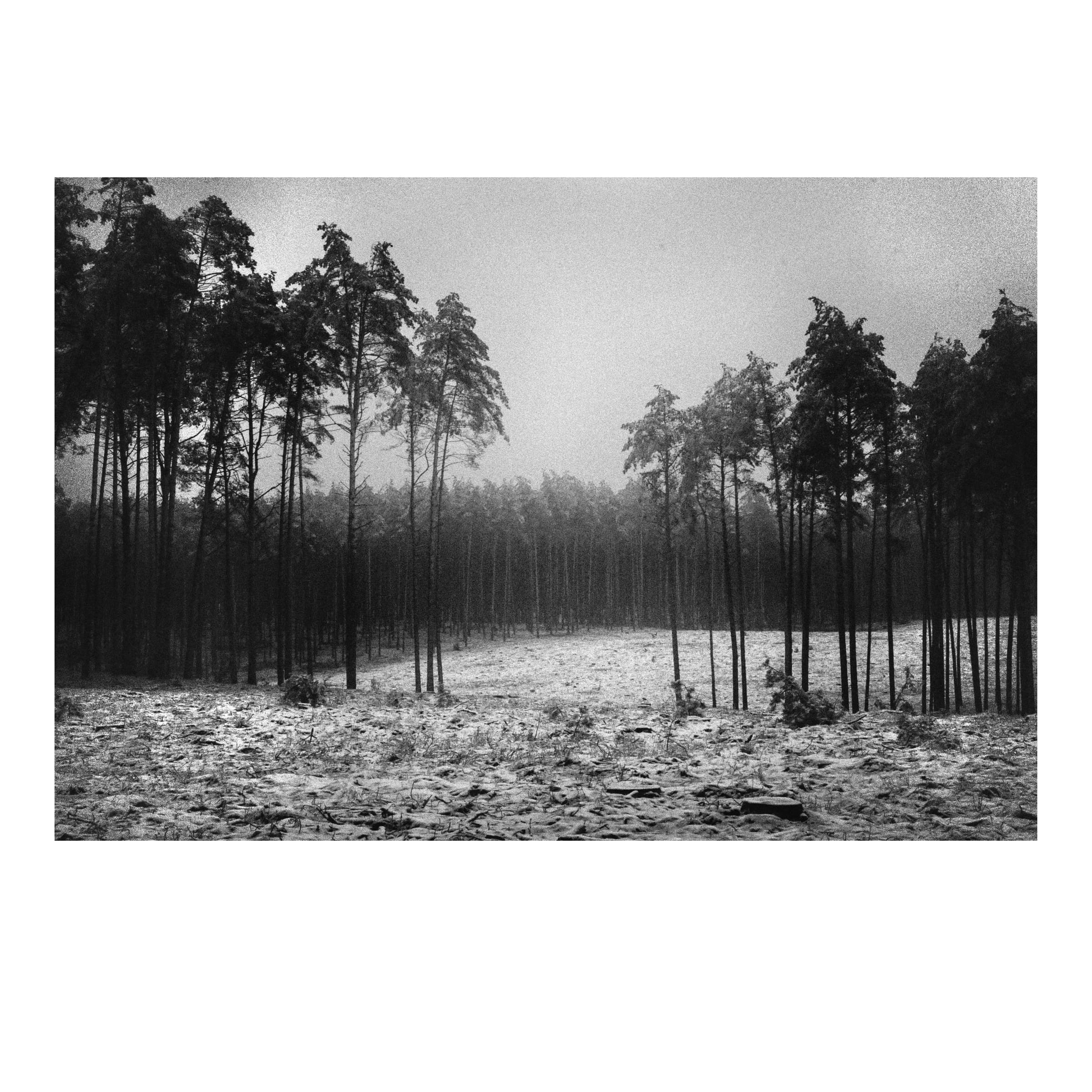
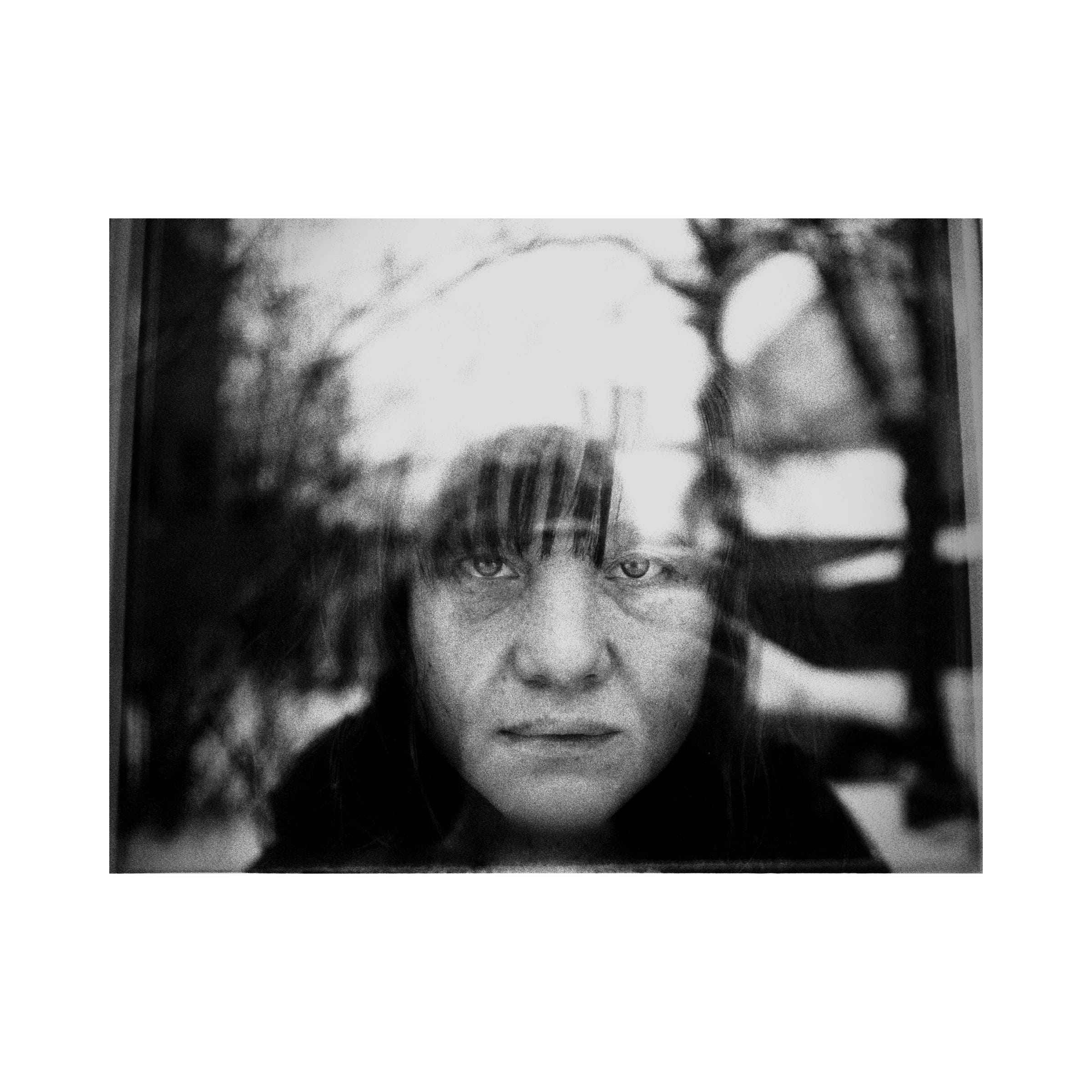
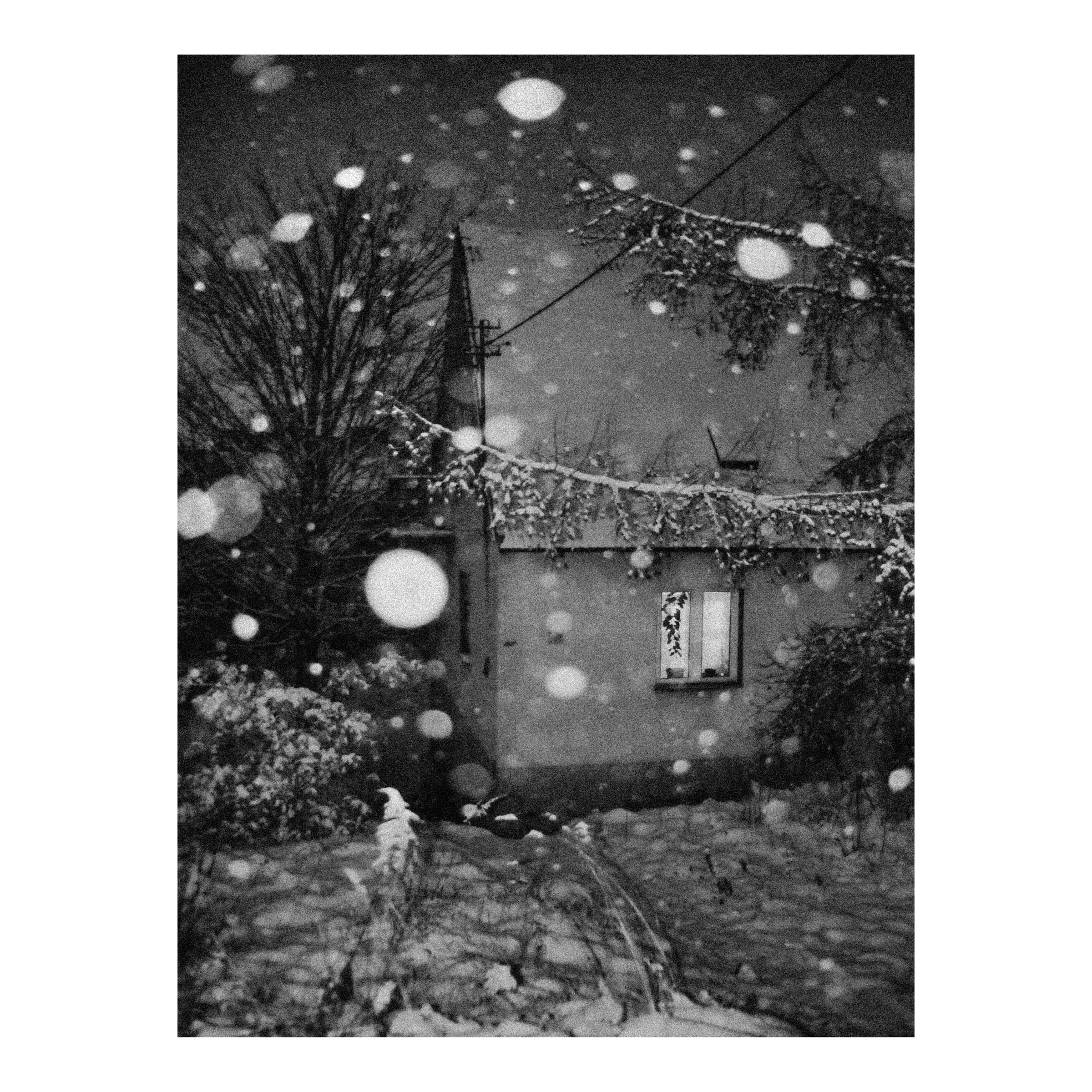
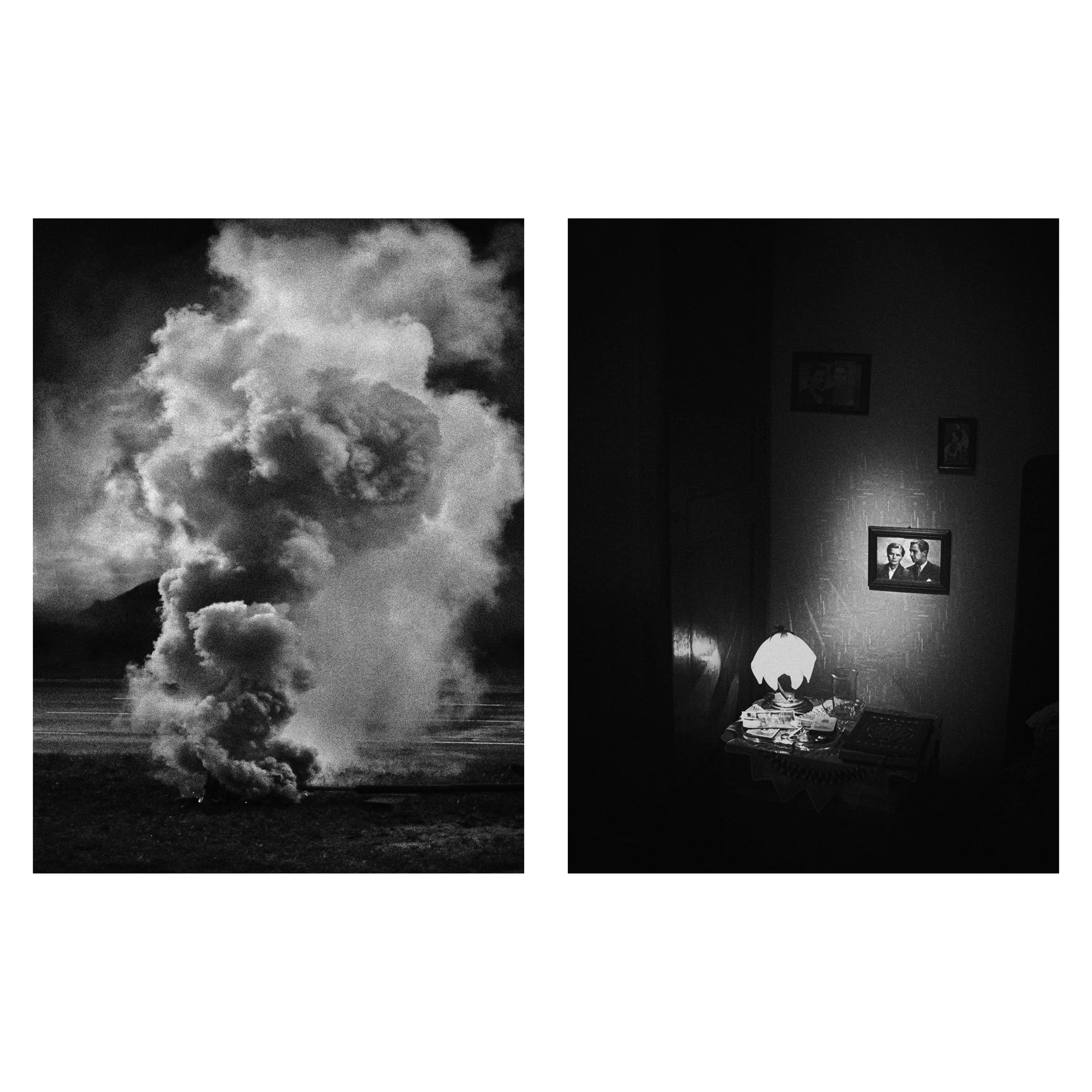
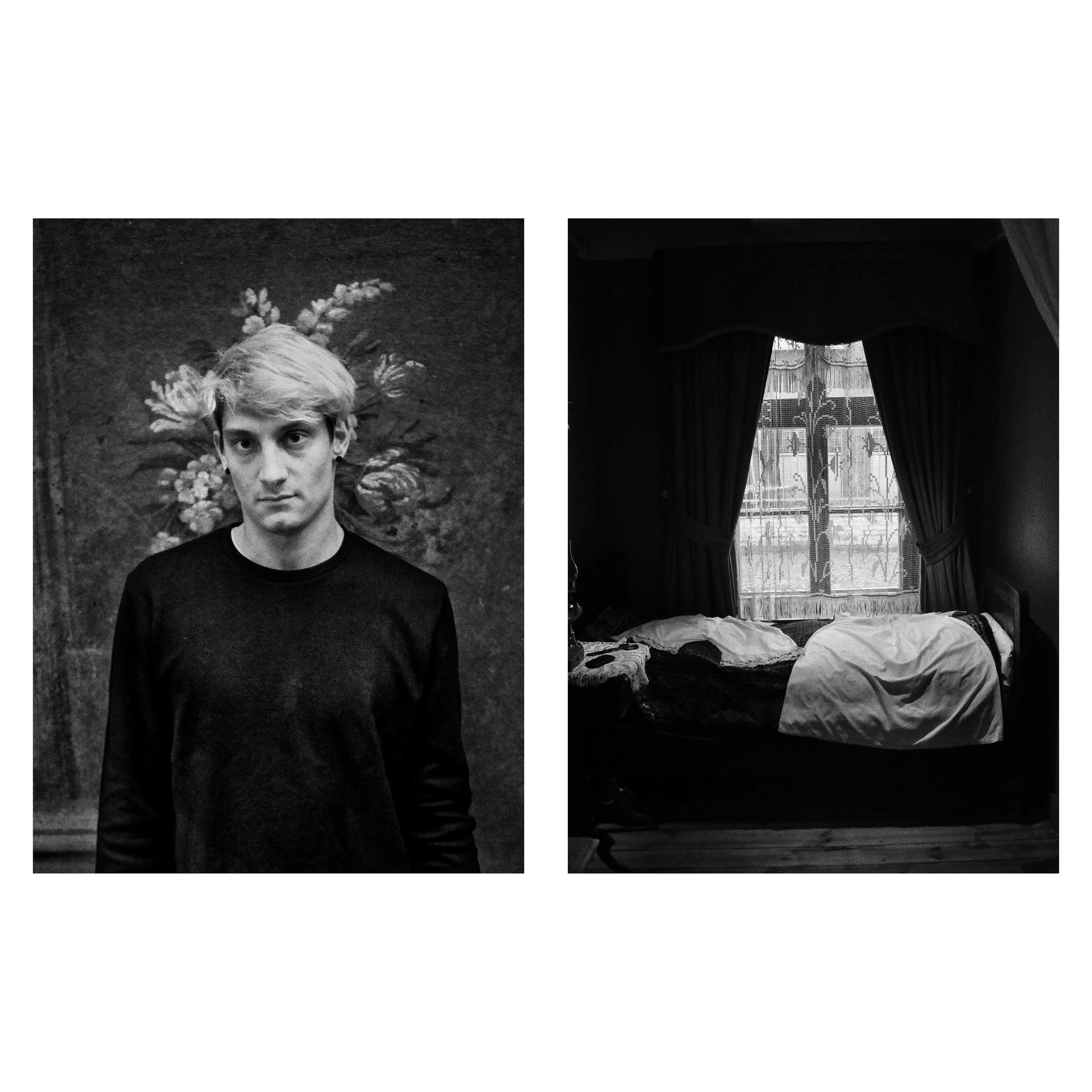
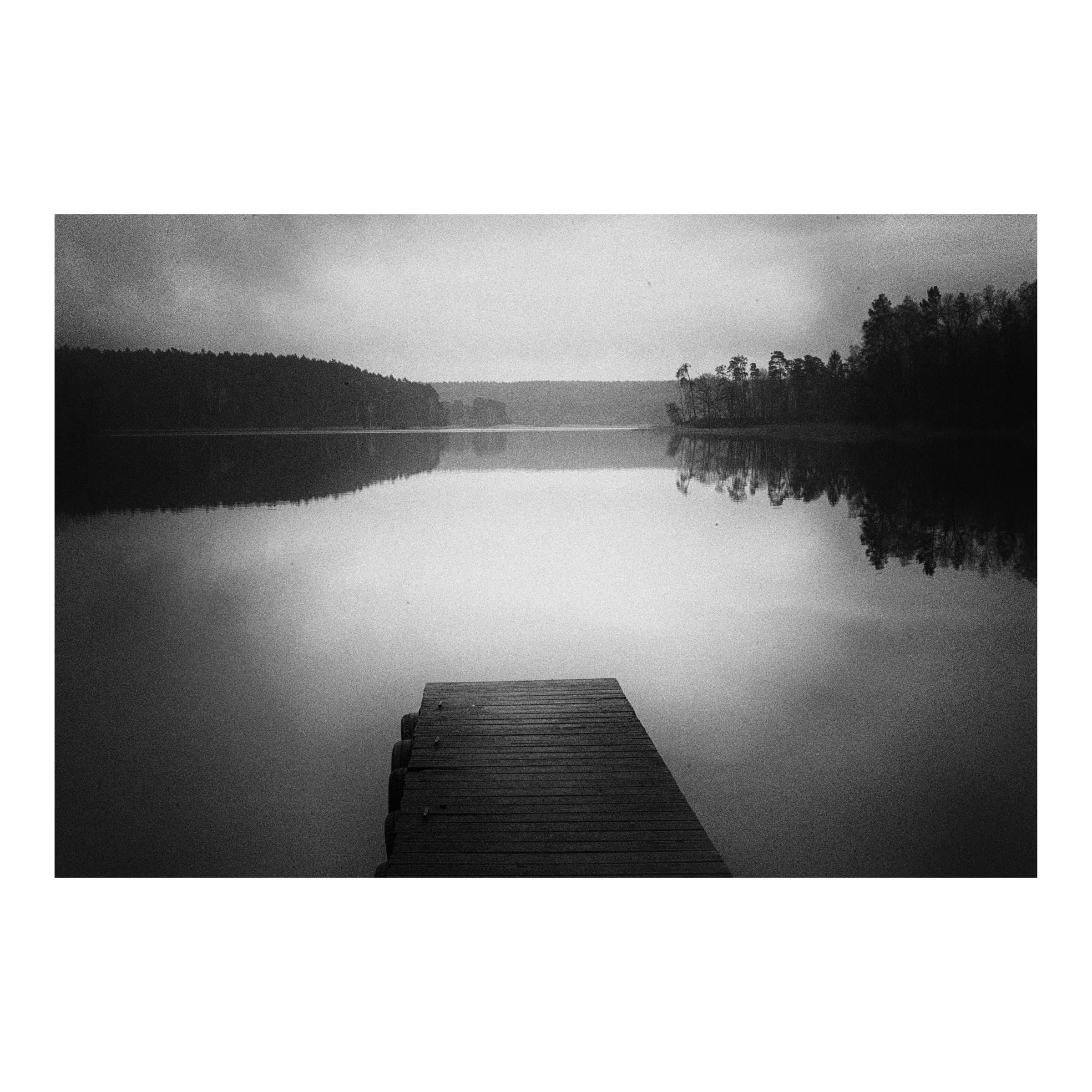
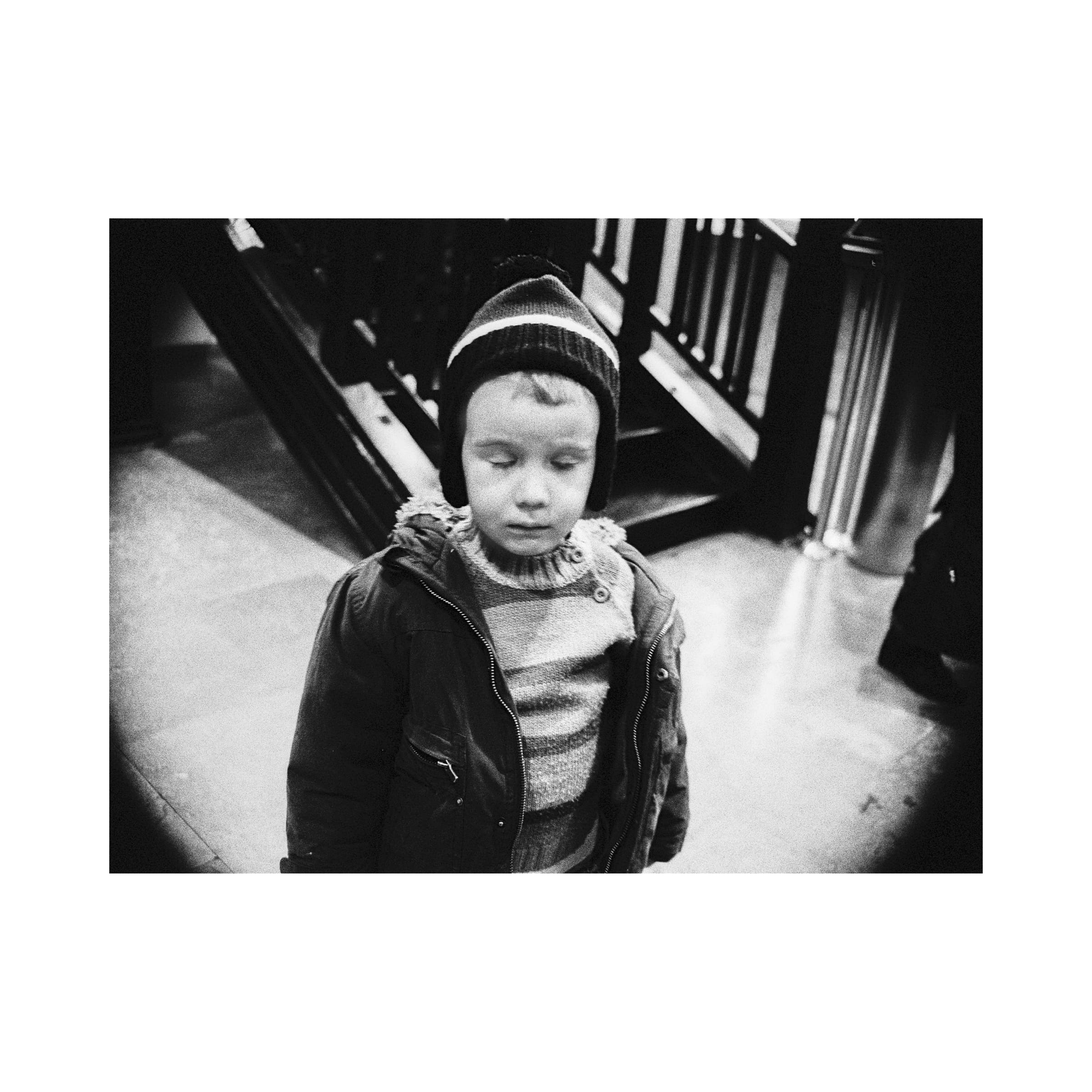
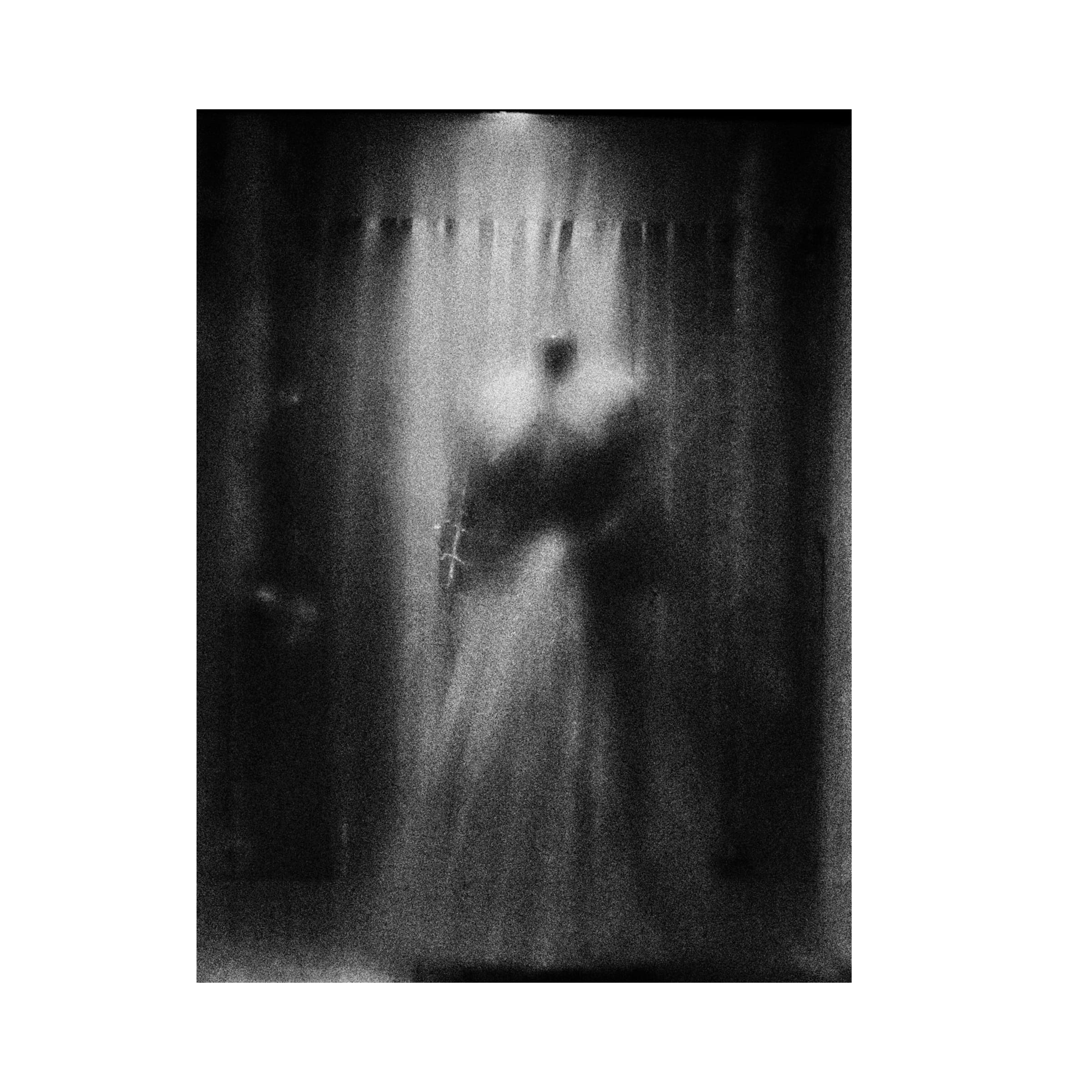
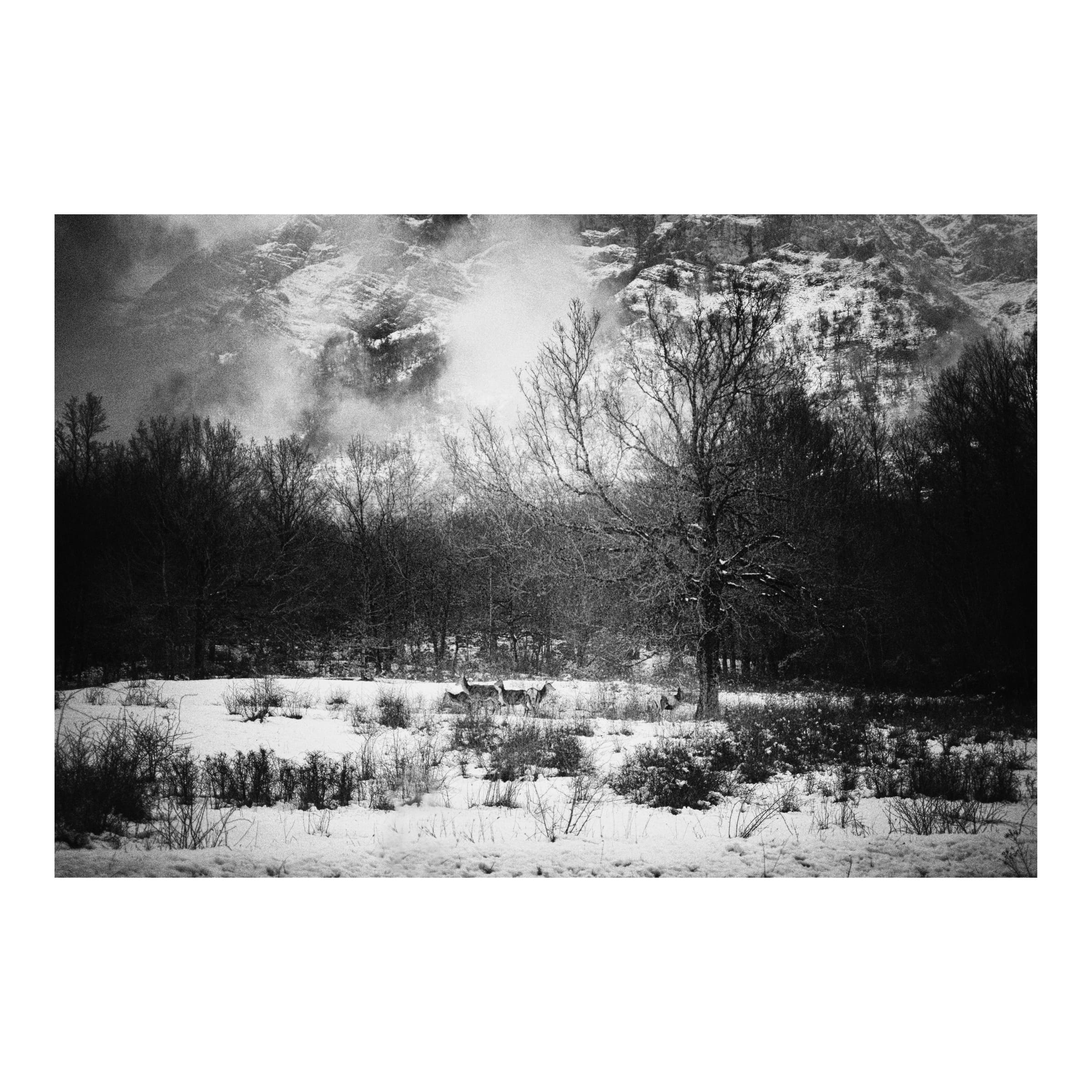
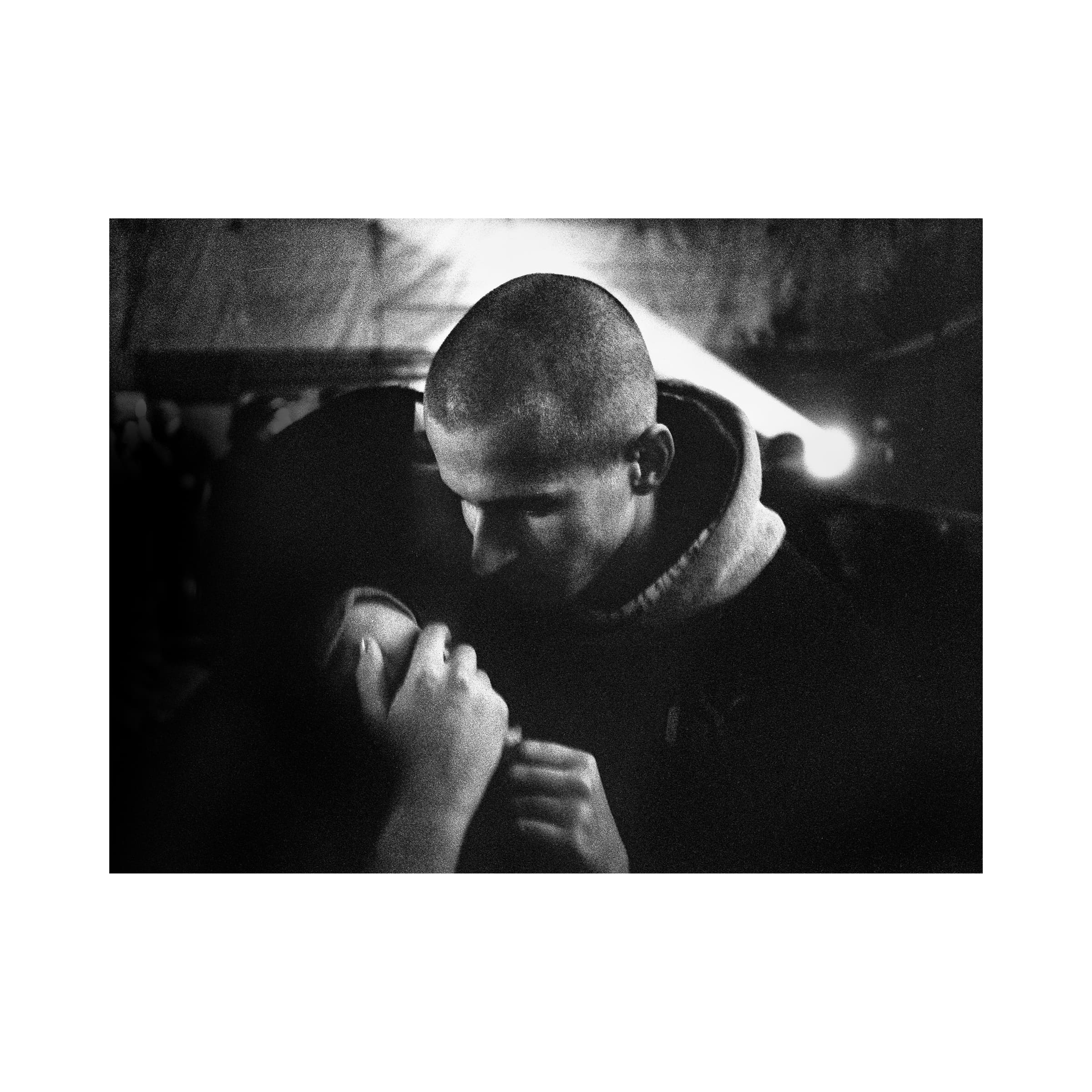
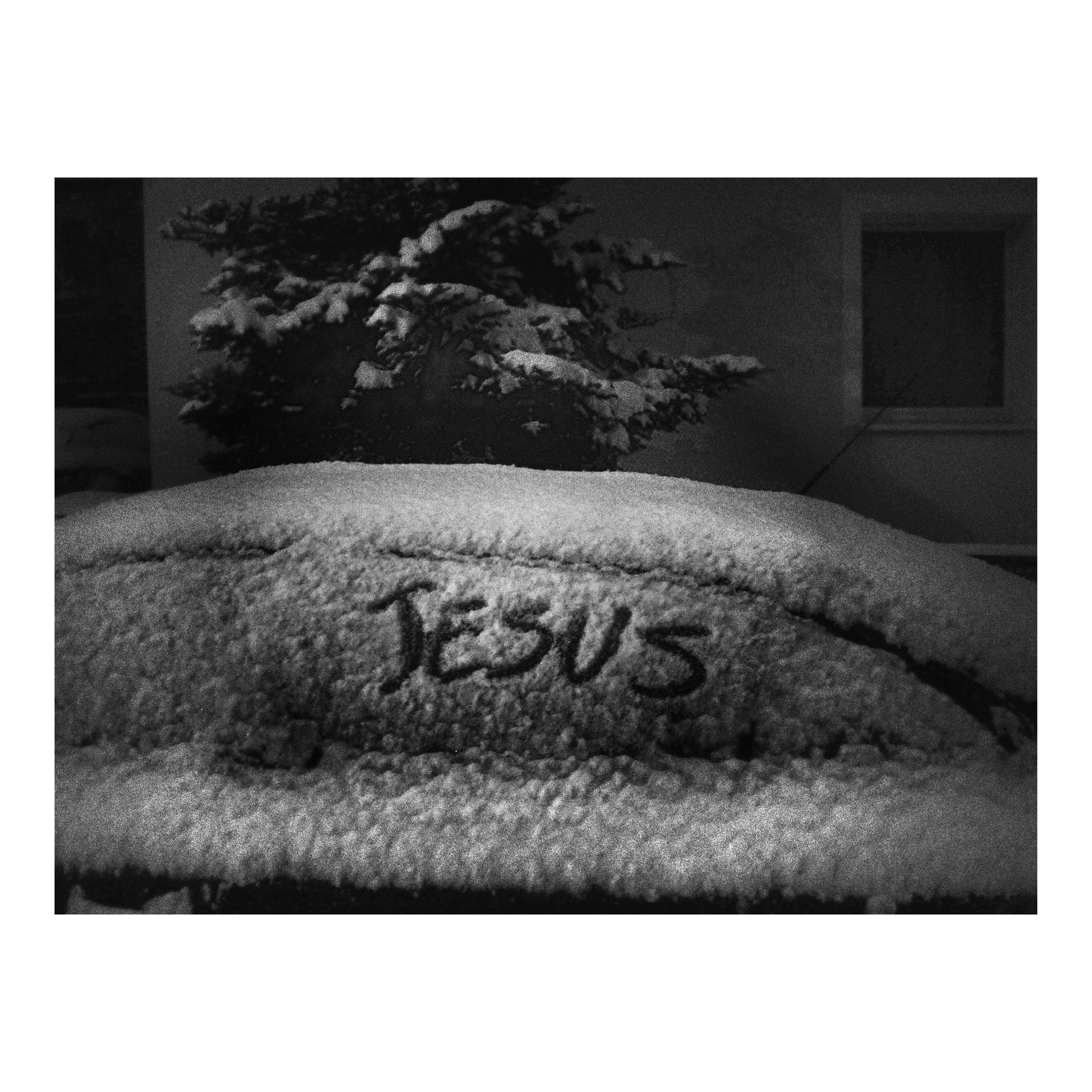
Yet, upon arrival, I encountered a landscape immersed in a suspended winter atmosphere, wrapped in silence and a timeless beauty. What began as a historical and anthropological investigation became an inner journey. The silence of the places and the unexpected encounters struck me so deeply that they made me look beyond history, toward the personal emotions and reflections that those places evoked. Thus, the nature of the journey changed: it was no longer just about documenting a painful past, but about immersing myself in a space that spoke of memory, identity, and how the past continues to influence those who witness it.
Upon my return in 2008, I knew I had captured some strong images, but I didn’t have a complete body of work. I decided to focus only on a few photographs, producing a brief portfolio and a small exhibition of about twenty images that I personally printed in the darkroom.
It was only in October 2023, during a full scan of my archive’s negatives, that those photographs re-emerged almost by chance. Among those images, I found very interesting material, but insufficient for a coherent and articulated work. This prompted me to return to those places in the winter of 2023, aiming to recover the thread where I had left it fifteen years earlier. This return was not just a search for new images, but a true reconnection with a lived experience and context. It is precisely this reconnection that allowed me to build a cohesive aesthetic, capable of linking past work with my new observation of those places.
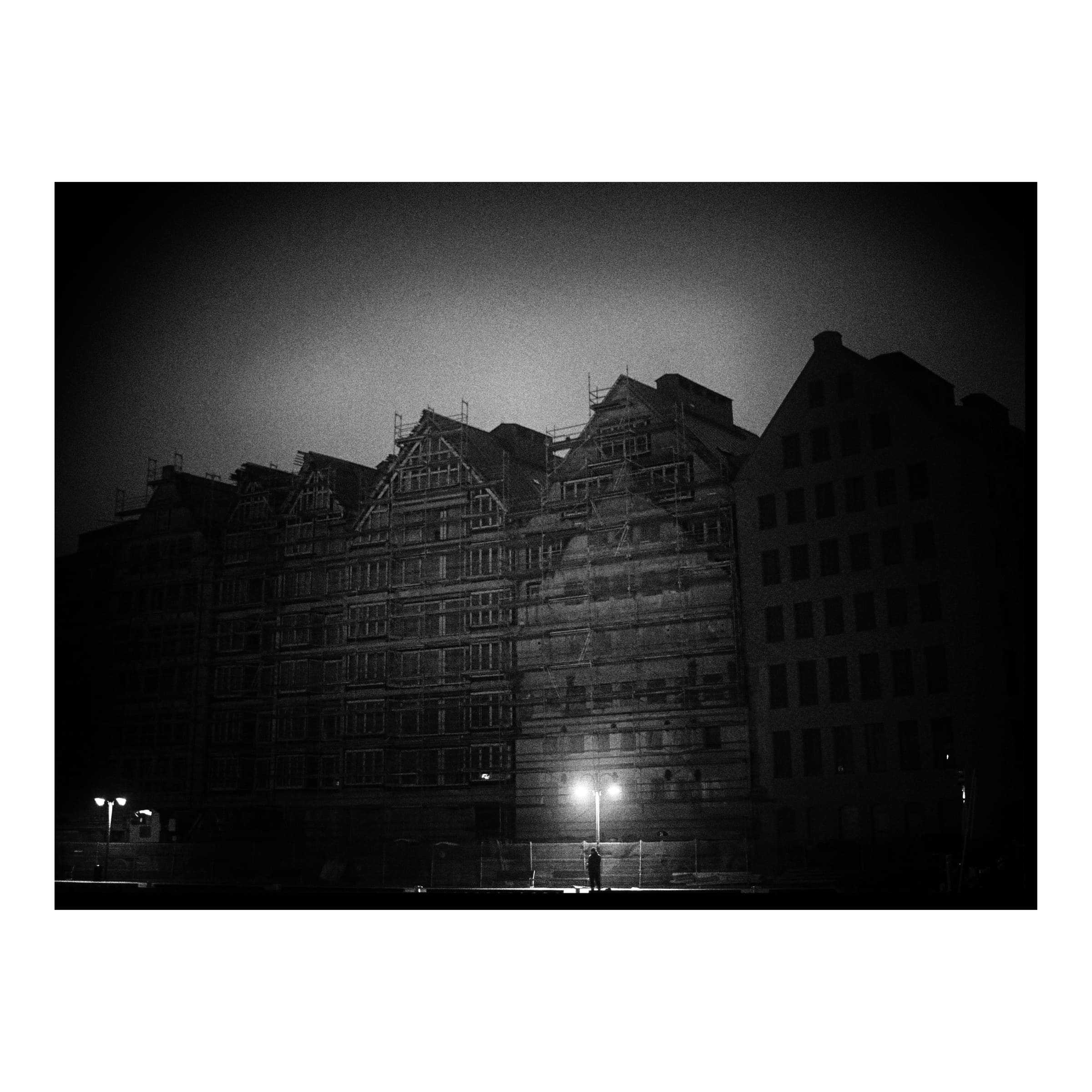
In his award motivation, Denis Curti writes that you “don’t waste time on geography” but dive into conveying human warmth and intimacy in a context that often appears cold or distant. How do you manage to transform an external environment, at times hostile and nocturnal, into a space so intimate and capable of welcoming the dreams and contradictions of those who inhabit it?
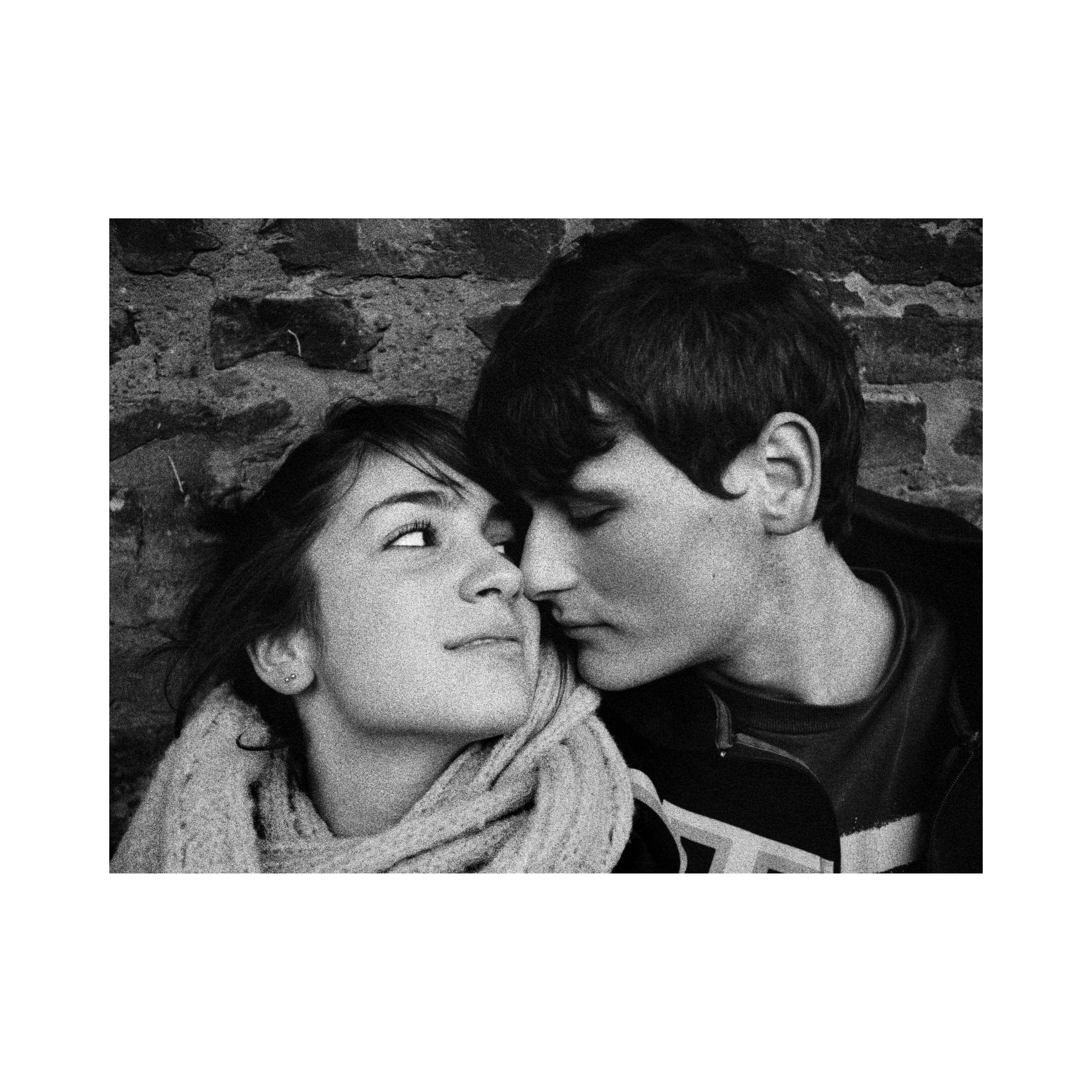
I believe intimacy comes first and foremost from the way we look at places. I’m not trying to document geography in a strict sense; I am interested in what landscapes hold: their silent stories, and the unexpected encounters that inhabit them.
This reflects how I observe things: my research is always aimed at a real and personal experience, lived fully in the places and encounters, it is never just a documentary representation. For me, photographing means lingering in those fragments of life and letting them move me. My photography emerges from this silent dialogue between the external world and my perception.
In 2014, you co-founded the independent label FLOW_photozine with Alberto Pasi. In an era dominated by digital, how important is the physical object (the book or the photozine) and what choices are key to turning a set of images into a coherent narrative?
FLOW_photozine was born in 2014 from a concrete need: to give new life to our archive of images hidden in scrolls, boxes, and hard drives. We felt the need to bring forgotten photographs to light by giving them a tangible form, rescuing them from digital dispersion and bringing them back to paper.
By then, image consumption had radically changed; everything was viewed through a digital medium, often on small screens, in a rapid and fragmentary way. Photographs flowed by without settling, consumed by the speed of a continuous stream. In this context, we felt the need to slow down, to restore weight and presence to the images. Printing means interrupting that visual frenzy, creating a physical space where the gaze can pause, turn back, and linger.
The choice of the name “FLOW” reflects exactly this intention: to value the narrative flow, the sequence, and the overall construction of the project rather than the single, isolated image. We weren’t interested in the “iconic image,” but in the dialogue between images. The book thus becomes a narrative device where rhythm, pause, repetition, silence, and variation build an organic story.
A central idea was to create diary-like works composed through the images by multiple photographers, often mixed together without explicit reference to the author. We were interested in moving beyond the idea of individual authorship to focus on the story, the overall flow.
FLOW was, above all, a great exercise in editing. Working on our archives and those of other involved authors taught us that the meaning of a project lies not in the strength of individual photographs, but in the relationship created between them. It is through montage and sequencing that unexpected meanings and deep connections emerge.
At the same time, revisiting these archival photographs allowed us to discover just how much common ground exists within the lived experiences of different authors. Despite coming from diverse backgrounds, places, and personal histories, the images reveal shared emotions, similar fragilities, and gestures or atmospheres that belong to everyone.
This is precisely the intent of FLOW: to create a stream in which the observer can recognise fragments of life that mirror their own experience. It is not a closed, self-referential narrative, but an open space for identification, where individual experience becomes collective through the form of the book.
Since 2015, we have published eight issues.
Returning to your book, is there one photograph in Teren Zielony you feel particularly attached to, or that best captures the “sense of wonder” you describe? And looking ahead, toward what new “territories” (physical or inner) is your research moving?
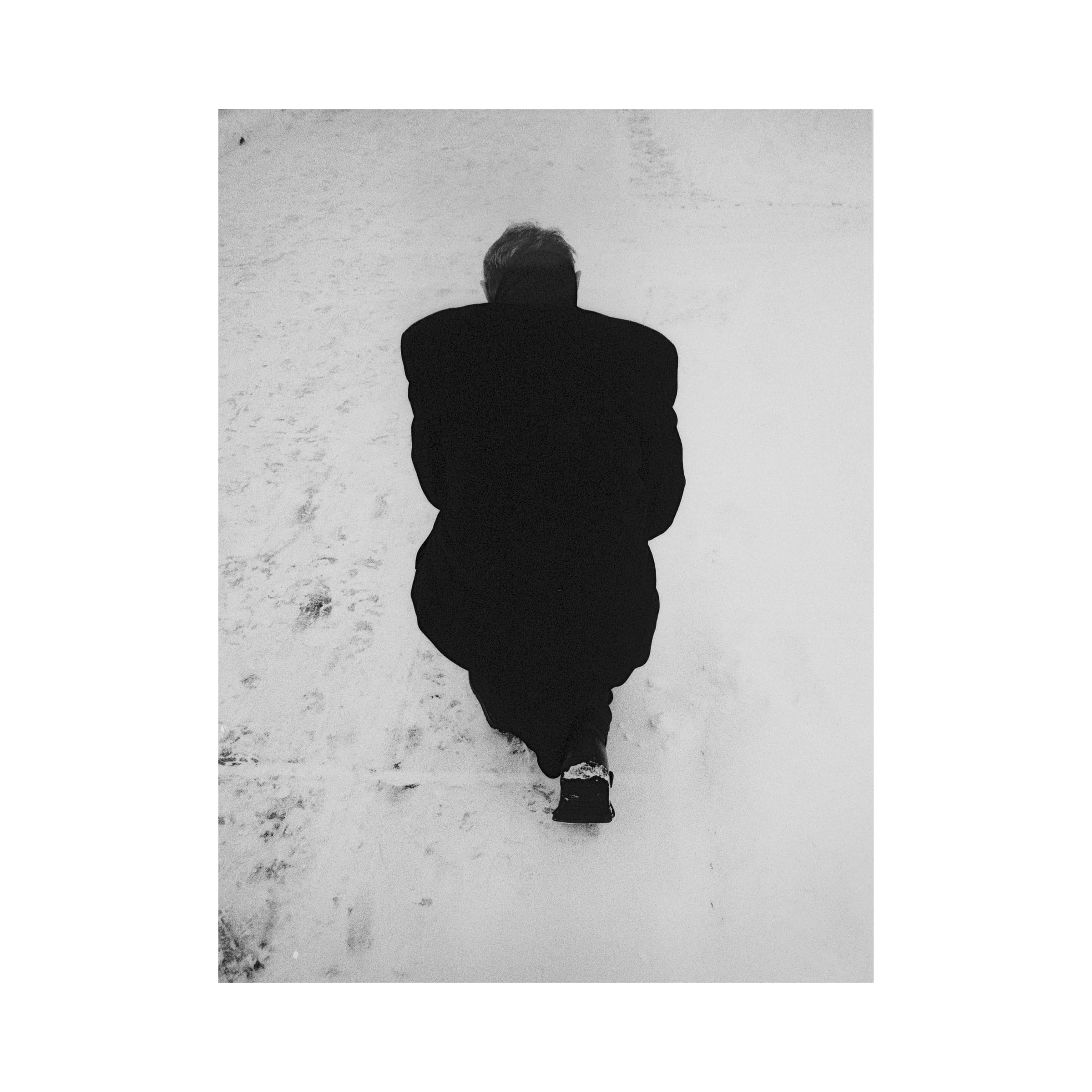
If I had to choose one, I would say the photograph of the man praying in the snow in the Tatra Mountains, in front of a small votive shrine. That image contains everything I seek: a suspended moment, an intimate, silent gesture. For me, that image encapsulates the essence of Teren Zielony: capturing the human in silence and transforming a simple act into something universal.
Looking ahead, my research continues to move toward territories where physical geography, mental geography, and the imaginary intertwine. I am interested in exploring spaces where the everyday, filtered through cultural imagination, is suspended and transformed into something ambiguous and symbolic. It’s not so much about documenting places as it is about questioning the way we perceive and internalise them, creating a hybrid geography where memory, lived experience, and inner projection overlap. Currently, I’m developing two projects exploring this theme in different contexts, continuing to investigate how the external and the interior collide and converse through photography.