Interview with Daniel Ramos, winner of the URBAN Photo Awards 2025 Projects & Portfolios award / #URBANinsights
Hi Daniel, it’s a pleasure to have you with us, and congratulations once again on your victory. Histogrammer is the name you use to present yourself to the public. How would you introduce yourself to those who don’t know you yet? And how would you describe your vision as a photographer rooted in the reality of Mexico City?
My name is Daniel Ramos, although many people know me as Histogrammer. I am a documentary photographer based in Mexico City.
I started photography relatively recently (2019), and over time I understood that for me photography is not only about images; it is about experiences—about meeting people and understanding life more closely.
The camera is a key. It opens doors to conversations, encounters, and moments that leave deep marks. Before being a good photographer, I believe it is more important to be a good person, because photography begins in the way you relate to others.
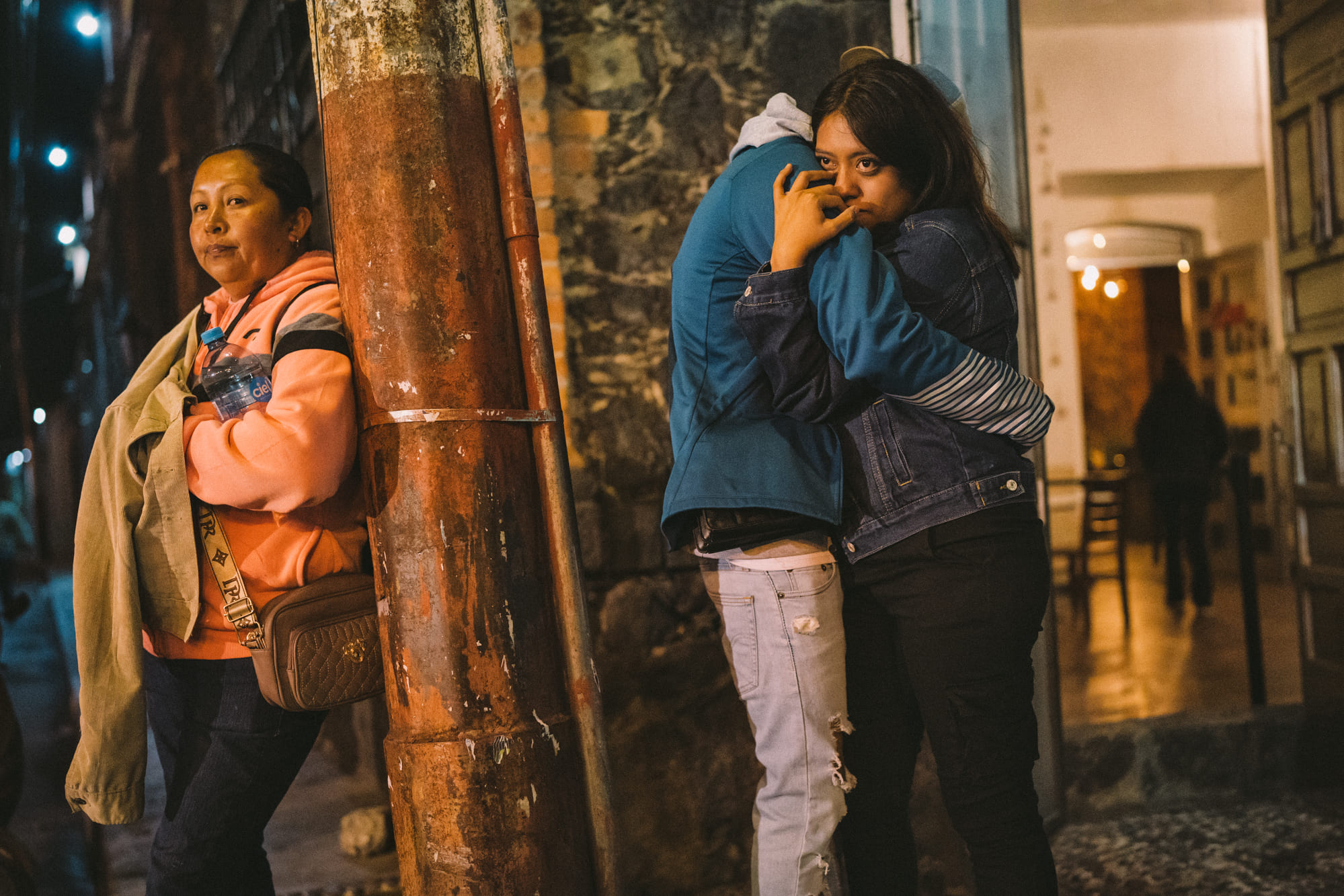
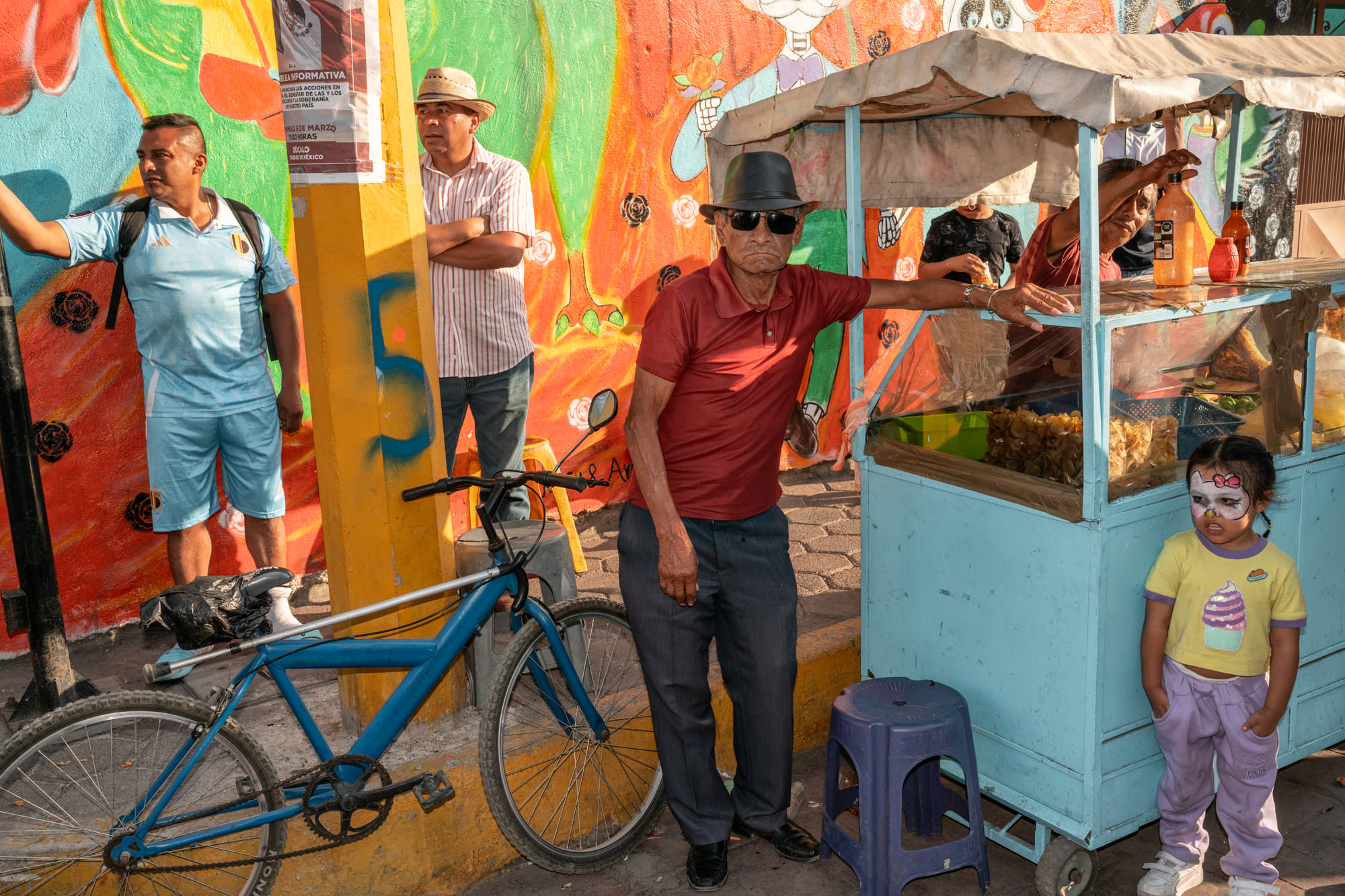
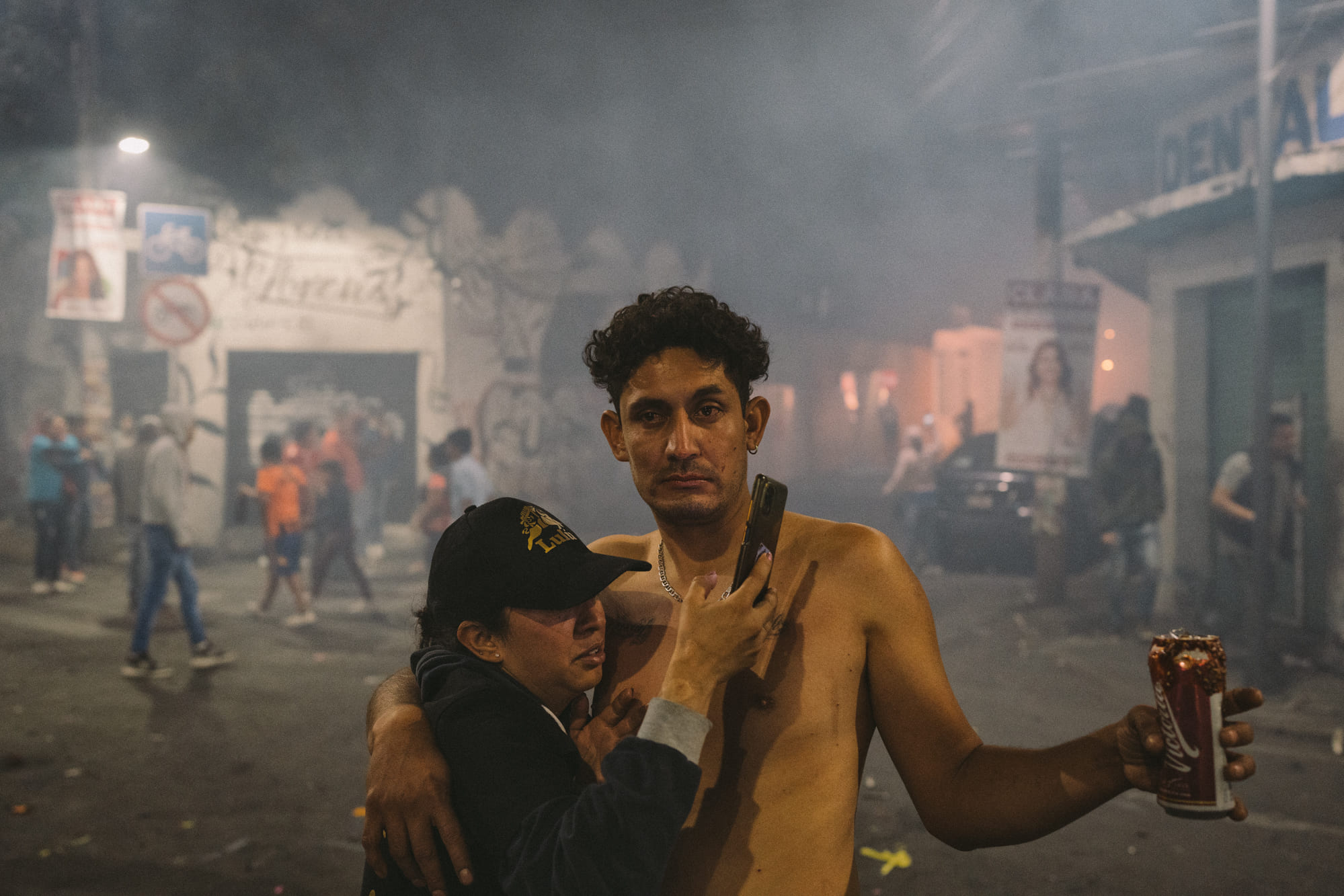
Being rooted in Mexico City means living inside contradictions: tradition and modernity, celebration and struggle, beauty and chaos. My work tries to embrace those tensions and to photograph them from within, not as an outsider, but as someone who shares the same streets and the same reality.
Your project, “Carnival on the Outskirts,” was personally selected by Matt Black, President of the URBAN Photo Awards 2025 jury, as the winner of the Projects & Portfolios section. Being recognised by an author so attuned to social and marginalised realities is a significant milestone. What does this recognition mean to you, and what was your immediate reaction to the news?
Being recognized by Matt Black meant a great deal to me. His work has always been an example of how photography can speak about dignity, inequality, and life on the margins with honesty and depth.
When I received the news, my first reaction was disbelief. Then I felt something deeper: gratitude, but also a sense of responsibility. Because this recognition is not only about me—it is about the communities and traditions that I photograph, and about showing that these stories matter beyond the places where they happen.
I also believe it is very important that the world sees Mexico through the eyes of a Mexican. There are many narratives about my country, but I feel a responsibility to tell these stories from within, with closeness, respect, and lived experience.
Photography, for me, is a way of showing not only how Mexico looks, but how it feels to live here.
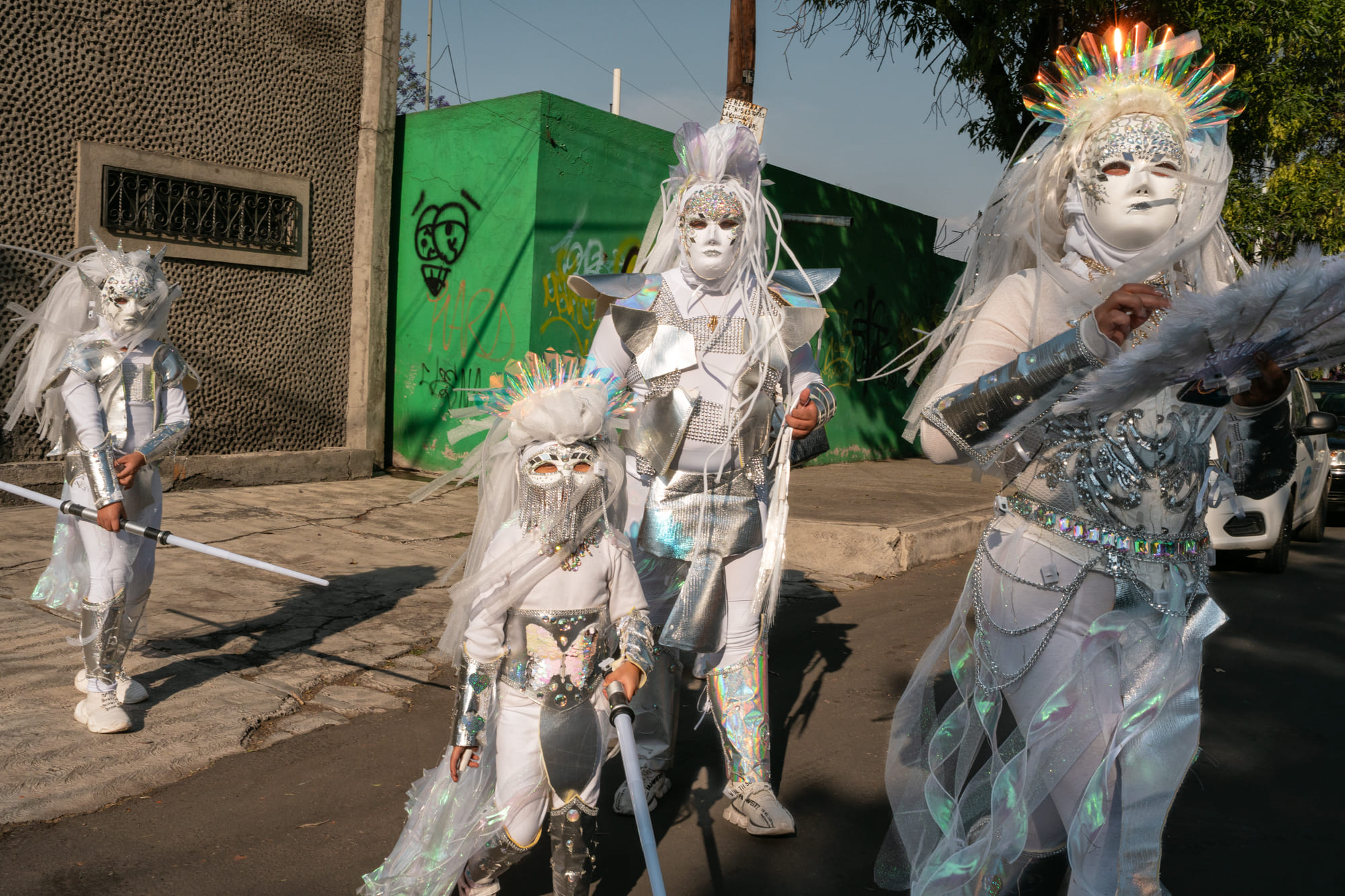
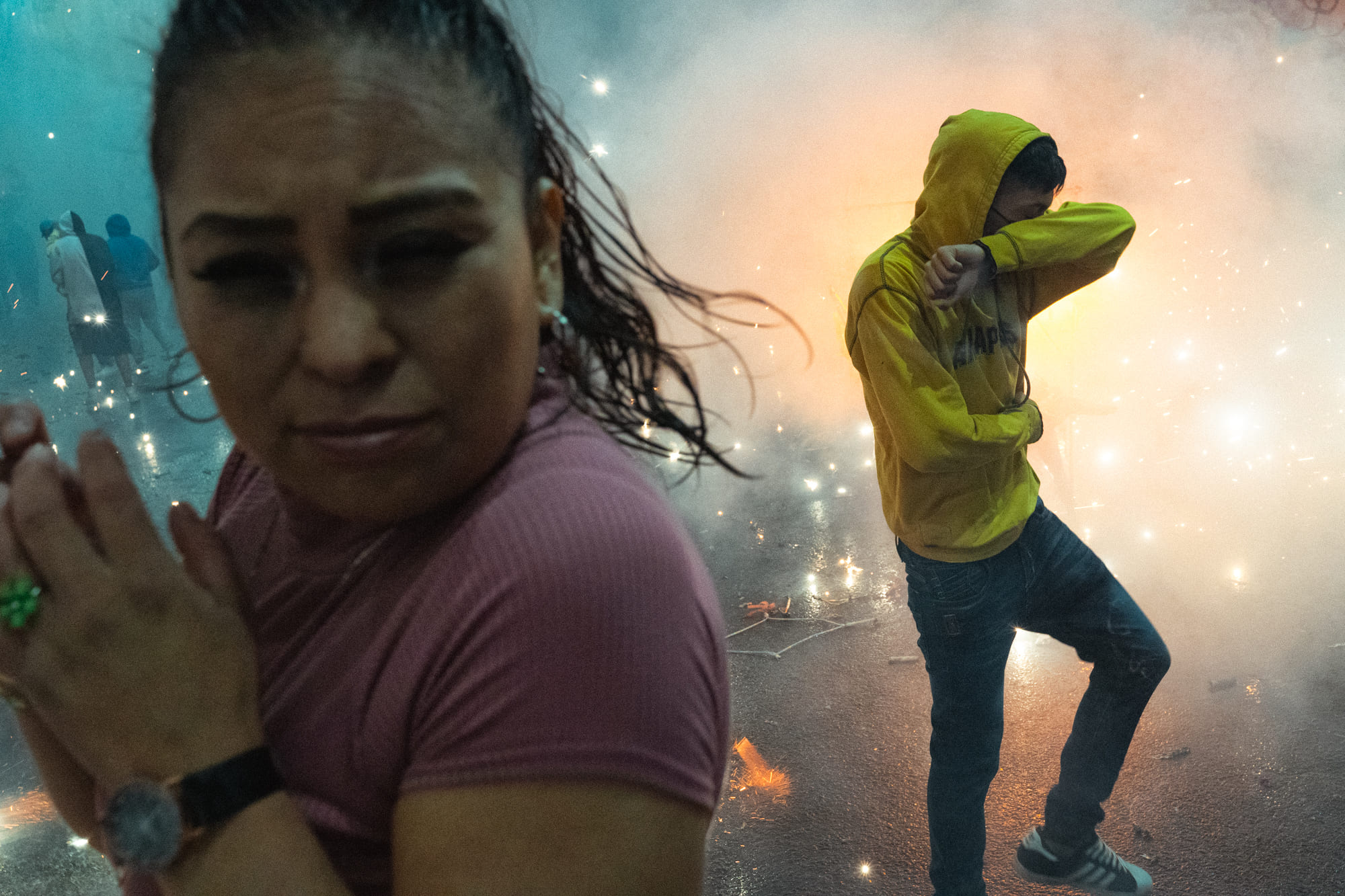
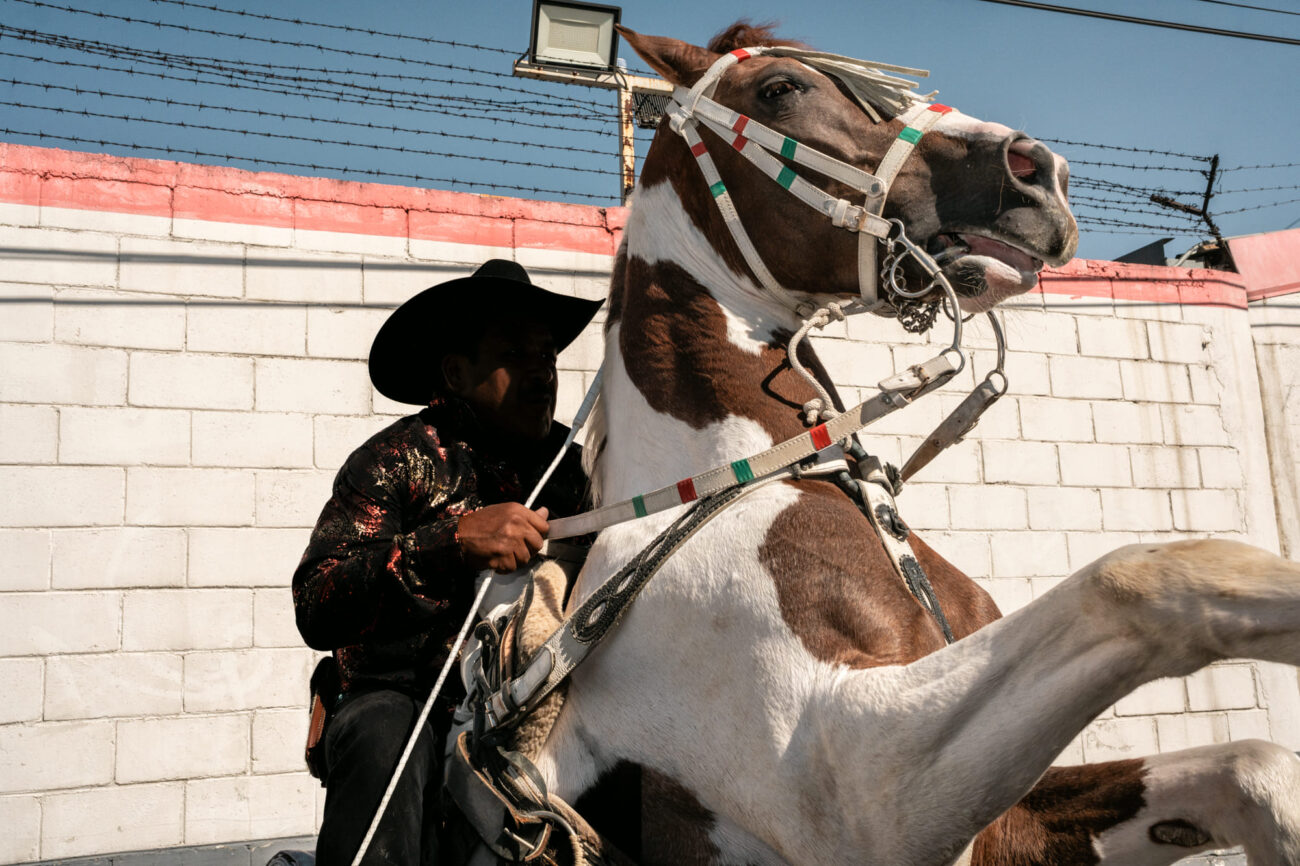
Your work documents the carnivals of Tlaltenco, Zapotitlán, and Tezonco, where ancestral traditions defy urban expansion. What was it like to immerse yourself in these communities, and what drove you to capture this visual contrast between ritual masks and the asphalt of the suburban streets?
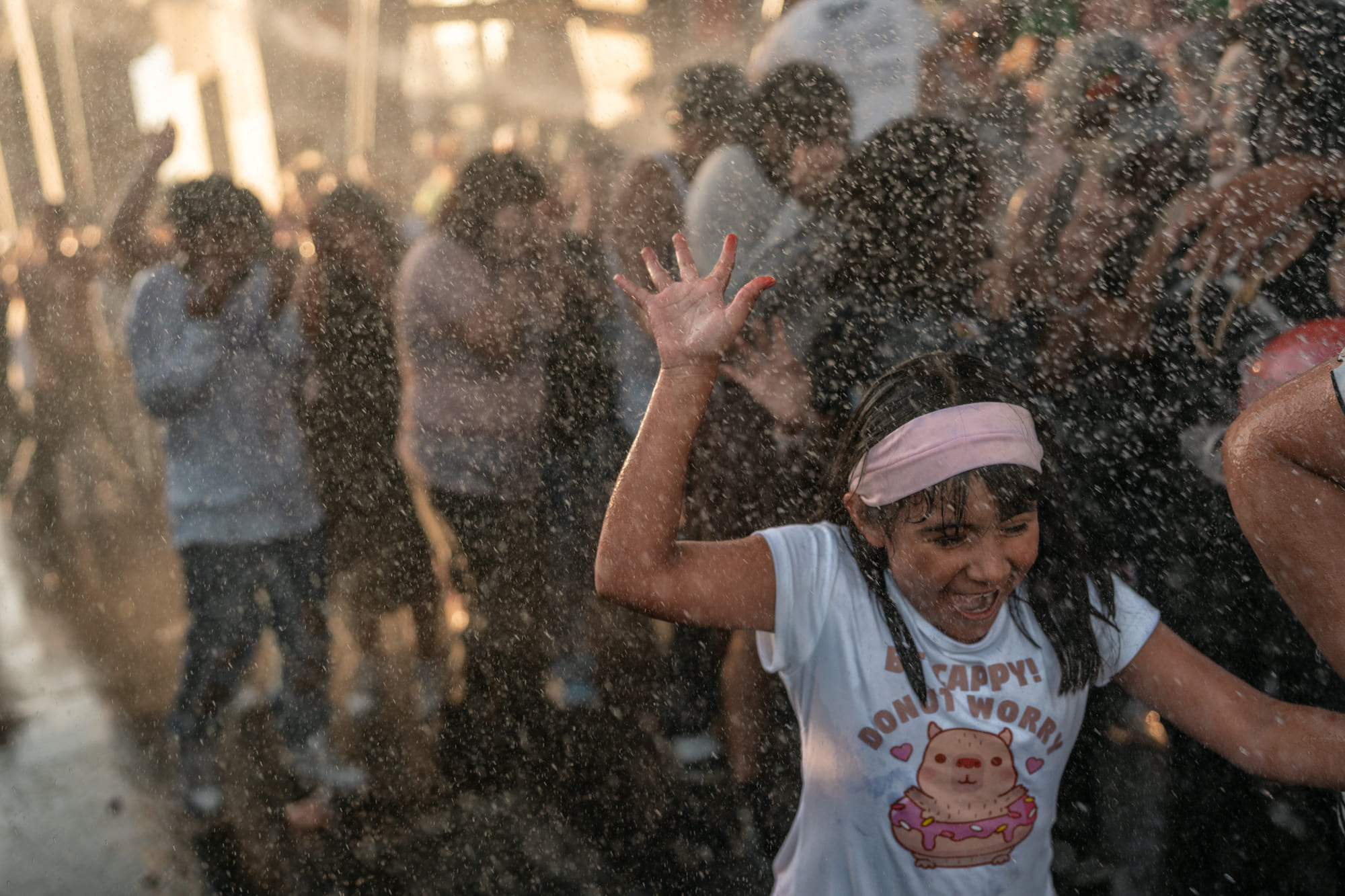
Photographing these carnivals is not only about being present during the celebration. It means returning, spending time, talking, listening, and allowing people to know you. Over time, you stop being a stranger with a camera and become someone familiar.
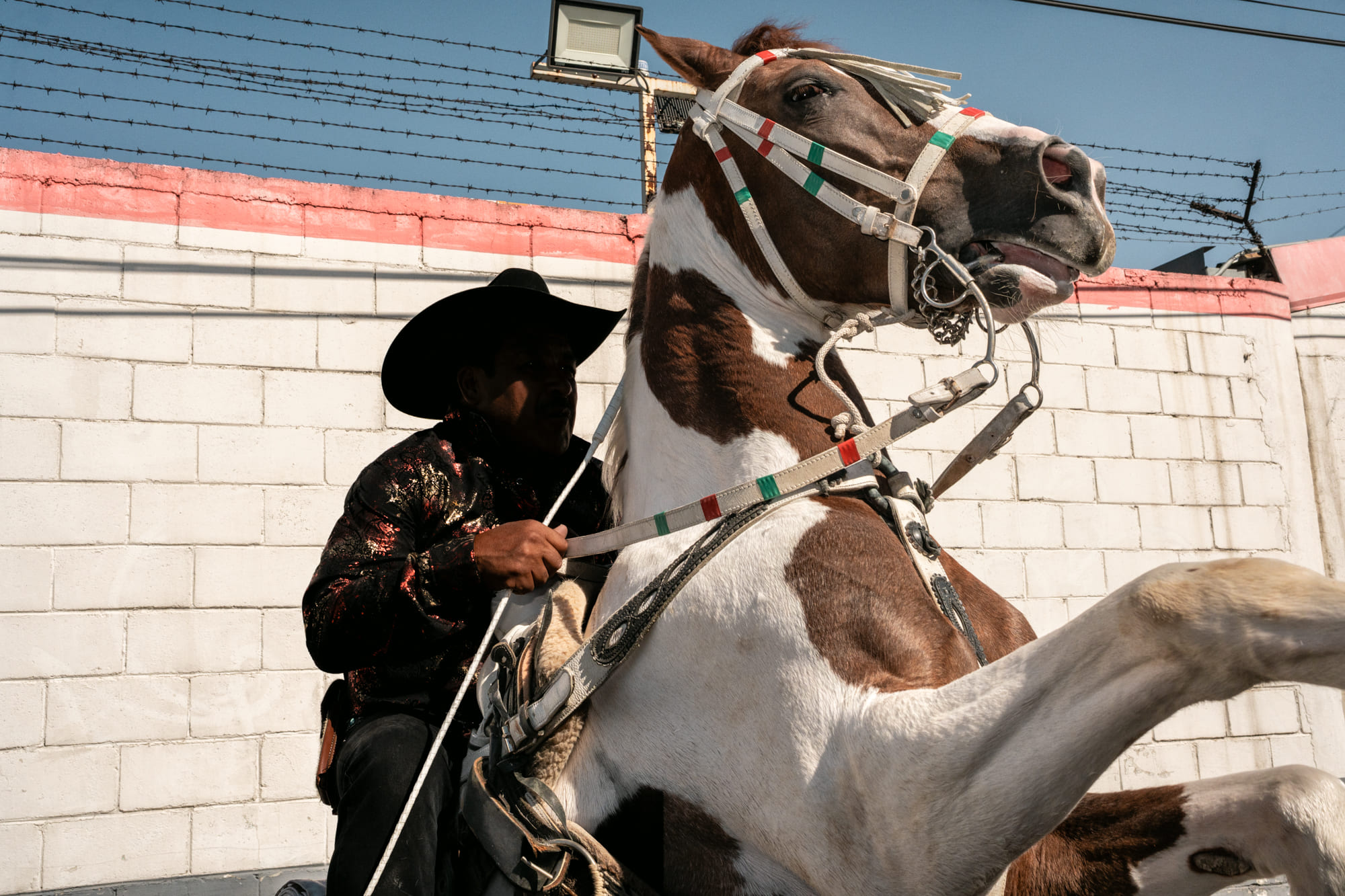
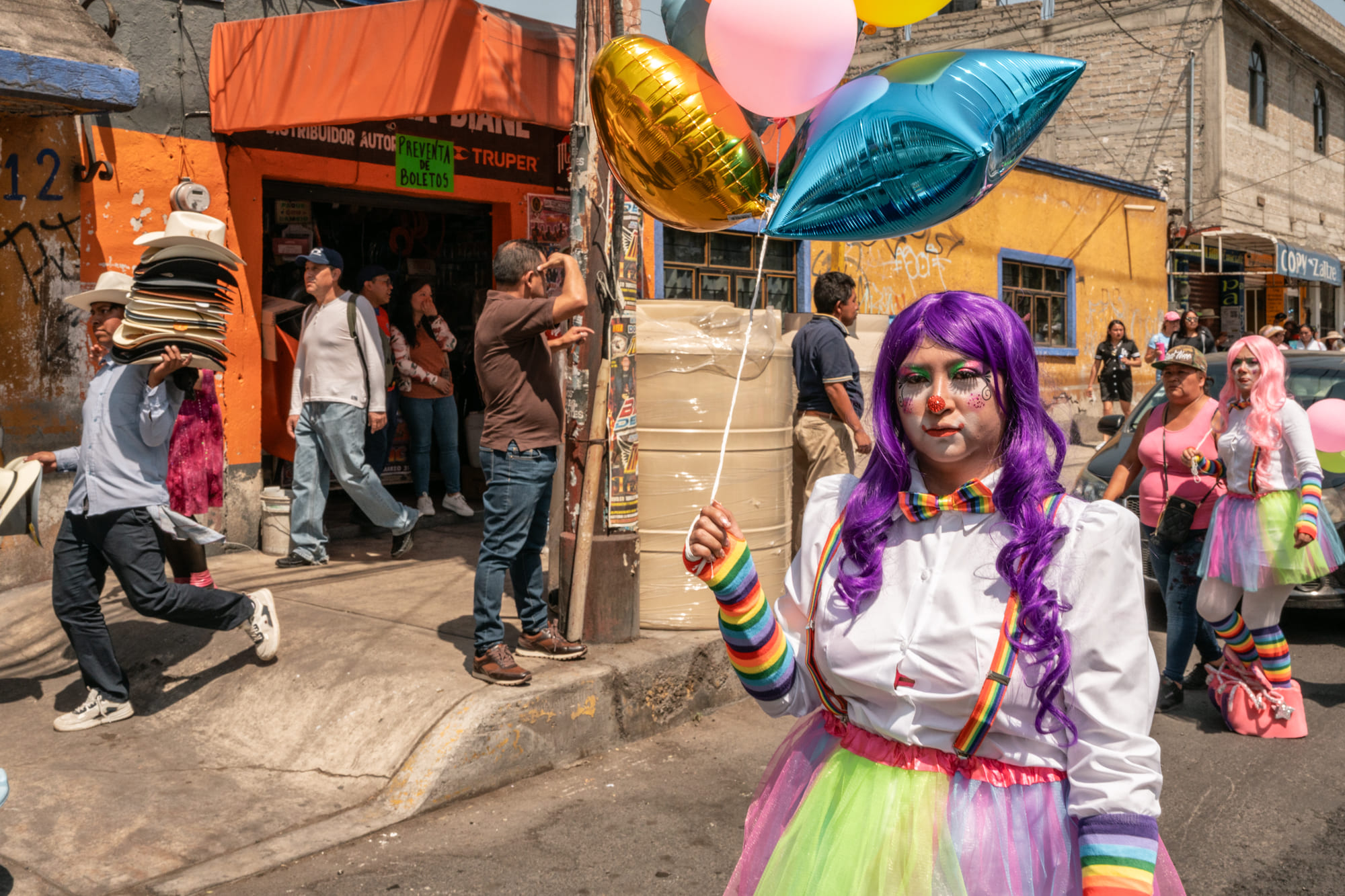
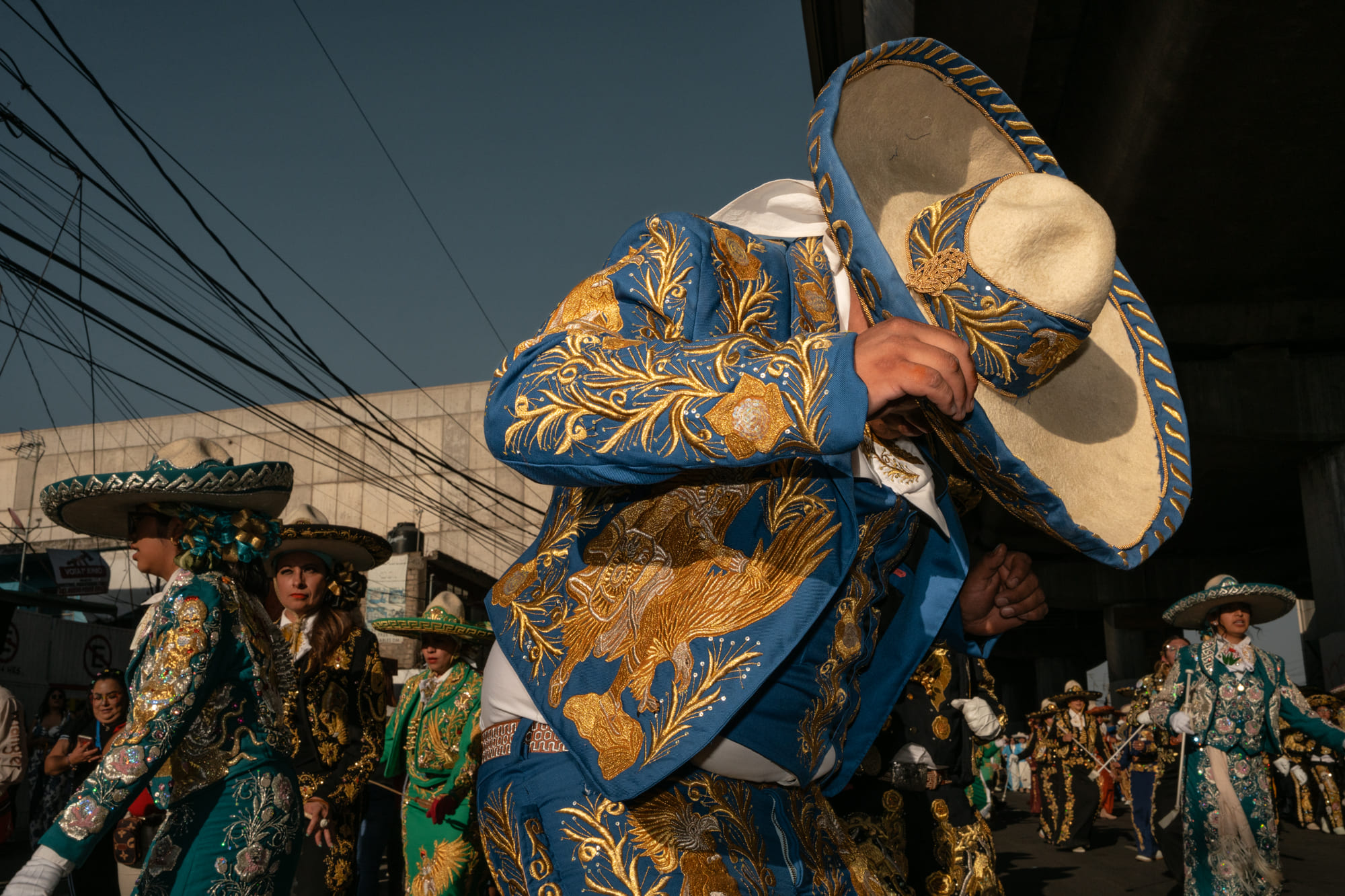
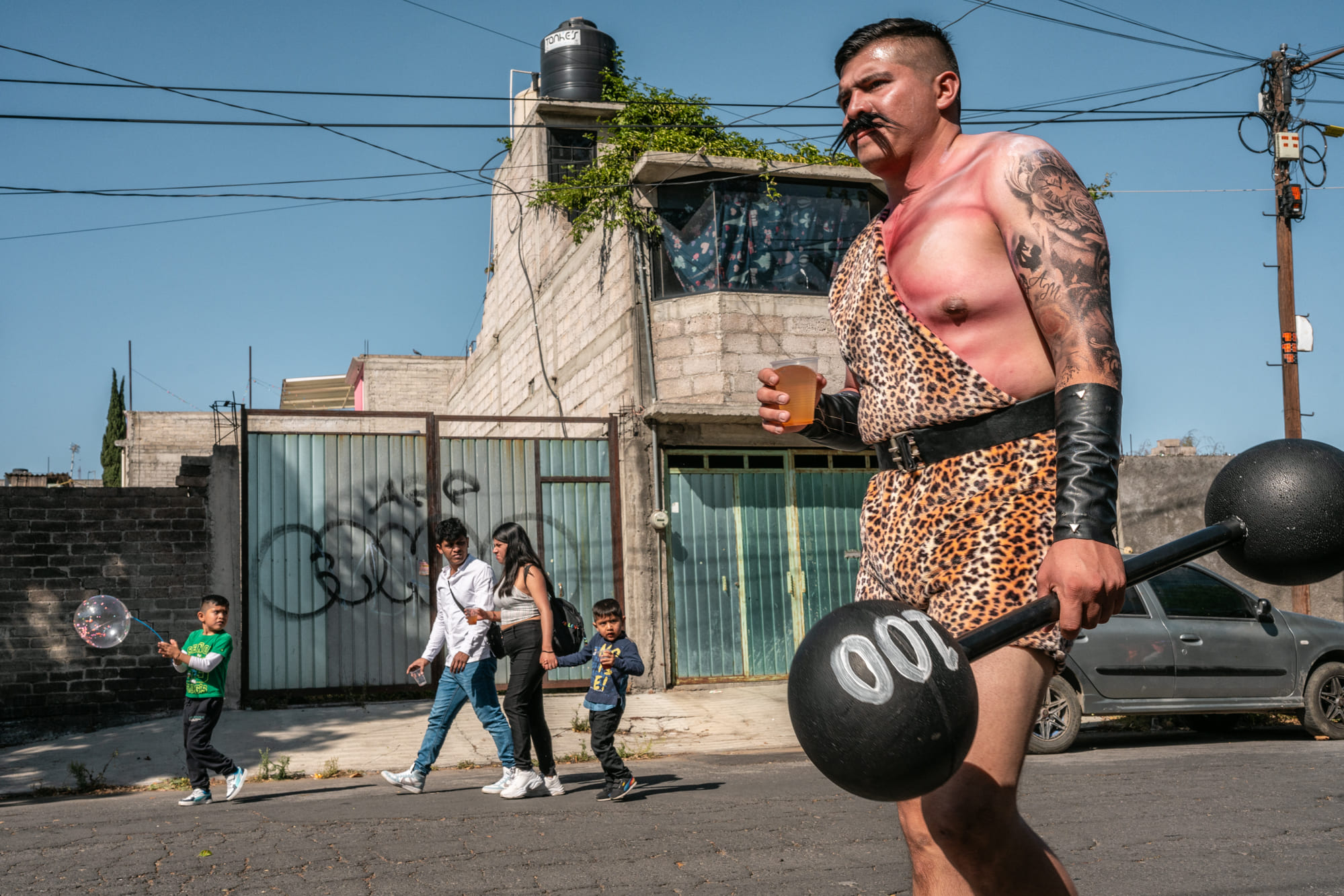
What moved me was the visual and emotional contrast: people dressed in their traditional clothing—and sometimes in costumes that are not traditional at all—walking through asphalt streets, rituals unfolding beside concrete walls and highways.
That coexistence feels powerful to me, because it shows how identity survives, even as the landscape changes around it.
You describe “Carnival on the Outskirts” as a testimony of an “identity surviving on the margins.” In your photos, the celebration feels like a true act of defiance. What is the deeper message you hope to convey through these images to those observing Mexico City from afar?
What I hope people understand is that these celebrations are not performances or folklore made for an audience. They are lived traditions, part of everyday life, a way of preserving memory, identity, and belonging.
From afar, Mexico City is often imagined as one immense urban space. But on its edges, there are communities where collective rituals are still deeply alive.
I am not photographing festivals as spectacle; I am photographing identity trying to survive.
Your style powerfully blends the festive with the everyday. How would you define your visual language? Are there any photographers, Mexican or international, who have influenced your way of documenting reality?
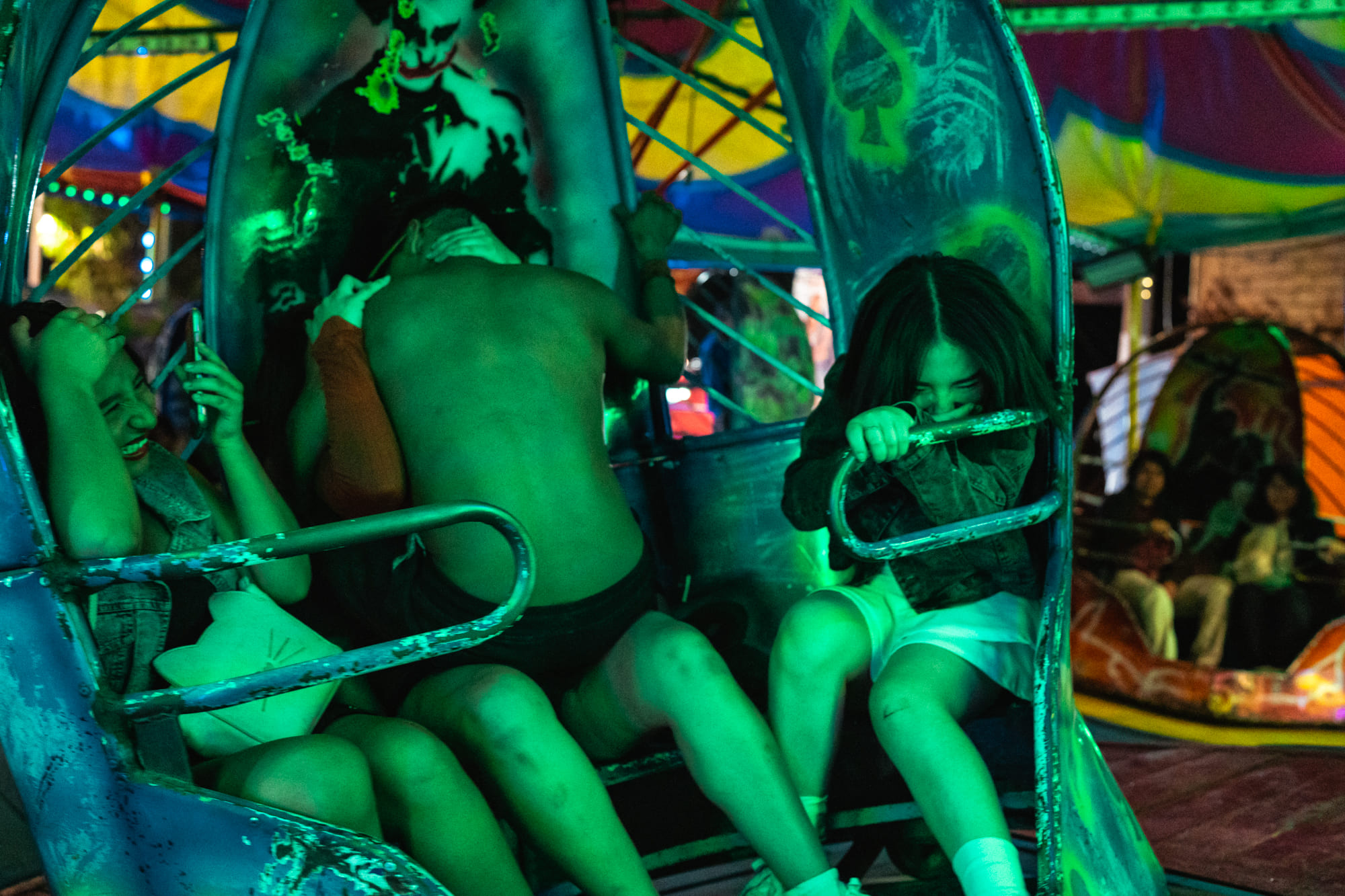
I am drawn to complexity. I like images where different layers of reality coexist: the festive and the ordinary, the intimate and the public, movement and stillness. My visual language grows from observing patiently and allowing life to unfold within the frame.
Photographers like David Alan Harvey and Alex Webb have influenced me deeply, especially in the way they build images and approach people. The work of Susan Meiselas has also been important to me, particularly in the way she engages with communities and builds long-term documentary projects.
I have also been very fortunate to learn directly from mentors who have shaped my way of thinking about photography, especially David Alan Harvey and Alejandra Martínez, whose guidance has helped me understand photography not only as an image, but as a way of relating to people and the world.
Taking a step back in time: how did your love for photography begin? Was it love at first sight, or a journey that developed slowly? Today, is photography for you a profession, a documentary mission, or a personal space of freedom?
My relationship with photography developed slowly. I began from zero in 2019, photographing my everyday life, without expectations. Over time, I understood that photography was not only about making images, but about experiences and human connection.
Today, photography is many things for me: documentary practice, and also a personal space of freedom. It allows me to understand the world, and sometimes, to understand myself.
Following your success at the URBAN Photo Awards 2025, is there a new project you are working on, perhaps a new story or a new “margin” that you feel the need to explore through your lens?
I am continuing to develop this body of work into a broader long-term project that explores popular religious and festive traditions in Mexico. I am interested in how ritual, belief, and collective identity survive in contemporary society, especially in places that exist on the margins of large cities.
Octavio Paz wrote that in everyday life the Mexican often wears a mask, and that it is during fiestas that something true emerges. That idea resonates deeply with my work. In these celebrations, people do not only perform traditions, but they also reveal something essential about who they are.
I work slowly, returning to the same places and building relationships over time. I believe that meaningful stories often reveal themselves not in a single visit, but through patience and continuity.