Interview with Andrea Bettancini, winner of the URBAN Press Awards 2025 / #URBANinsights
Hi Andrea, congratulations on this prestigious achievement. Your educational background weaves together photography, fashion design, and architecture: how has the dialogue between these disciplines shaped your visual perspective, and how does it influence the way you compose images today?
During my time at IED Milan, in the Fashion Design department, one of the subjects that left the deepest mark on me was fashion photography. Studying the great photographers who built long-standing collaborations with iconic designers, I realised how deeply a photographic gaze can shape the identity of a fashion house. In many cases, the expressive force of the photographer was so powerful that it almost overshadowed the designer’s vision, becoming the true stylistic message itself.
I think of figures like Helmut Newton, a giant who revolutionised fashion photography by transforming it from a simple representation of clothing into a narrative and aspirational language. His images were charged with eroticism, psychological tension, and cinematic allure: they didn’t merely show what one wears; they constructed a world, an attitude, a desire.
This approach continues to influence how I observe and compose images today. Whether it is fashion, architecture, or urban photography, I always seek a dialogue between form, space, and narrative, where aesthetics are never pursued for their own sake, but serve a deeper meaning.
Your project was selected by an exceptional jury representing eight leading international photography and visual culture publications. What does this recognition mean to you, and how do you think it will impact the dissemination of your message?
Being selected within the URBAN Photo Awards in Trieste, a contest of great international standing with significant media resonance, is an extremely meaningful recognition for me. The fact that the project was chosen by a jury of such authoritative international photography and visual culture publications confirms not only its formal strength but also its communicative power.
This award represents a concrete opportunity for visibility. Knowing that the project can reach a wide and diverse audience through such qualified channels strengthens the sense of my path and opens new possibilities for dialogue and exchange. For me, it is precisely in this circulation of images and ideas that photography finds its deepest meaning.
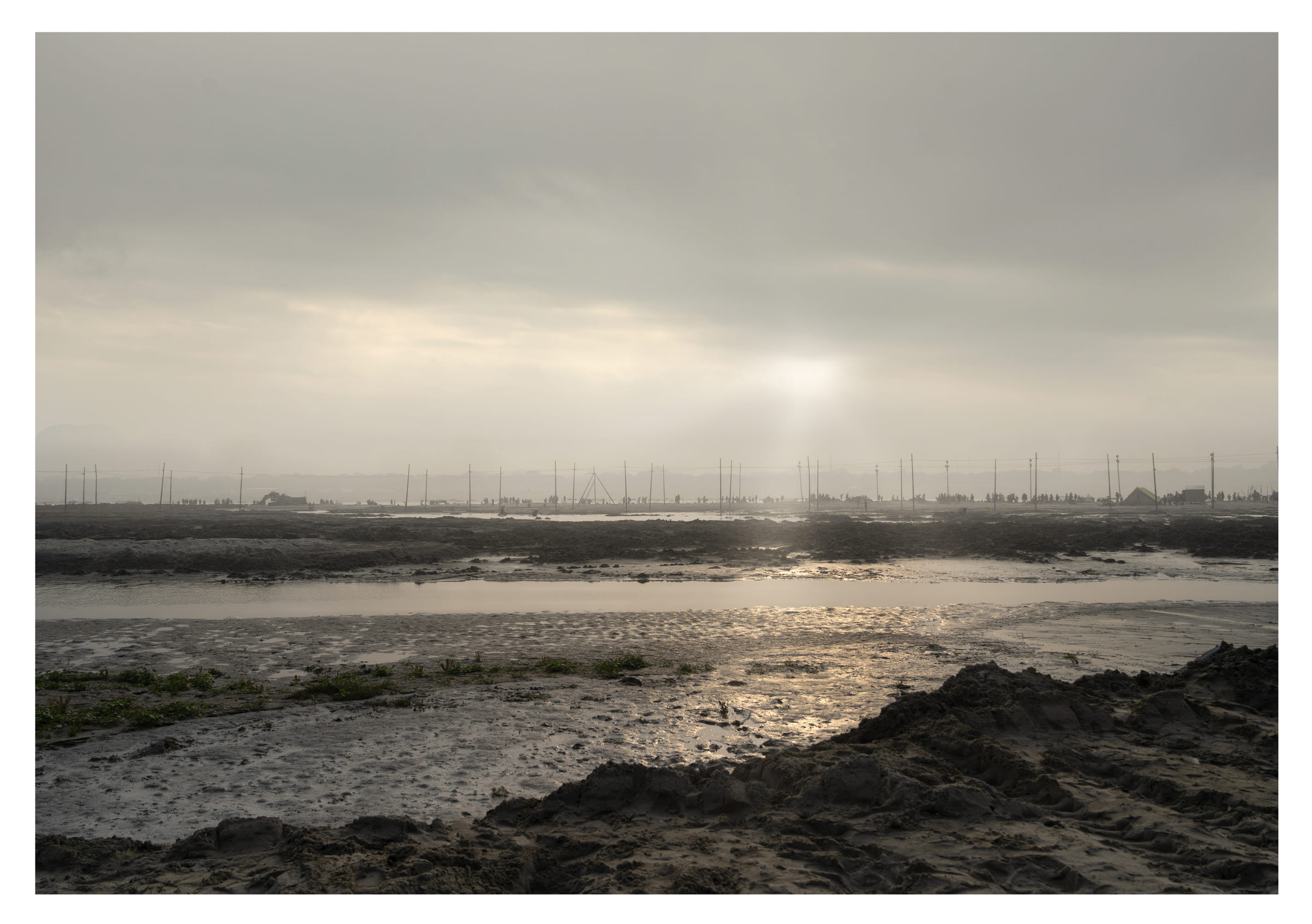
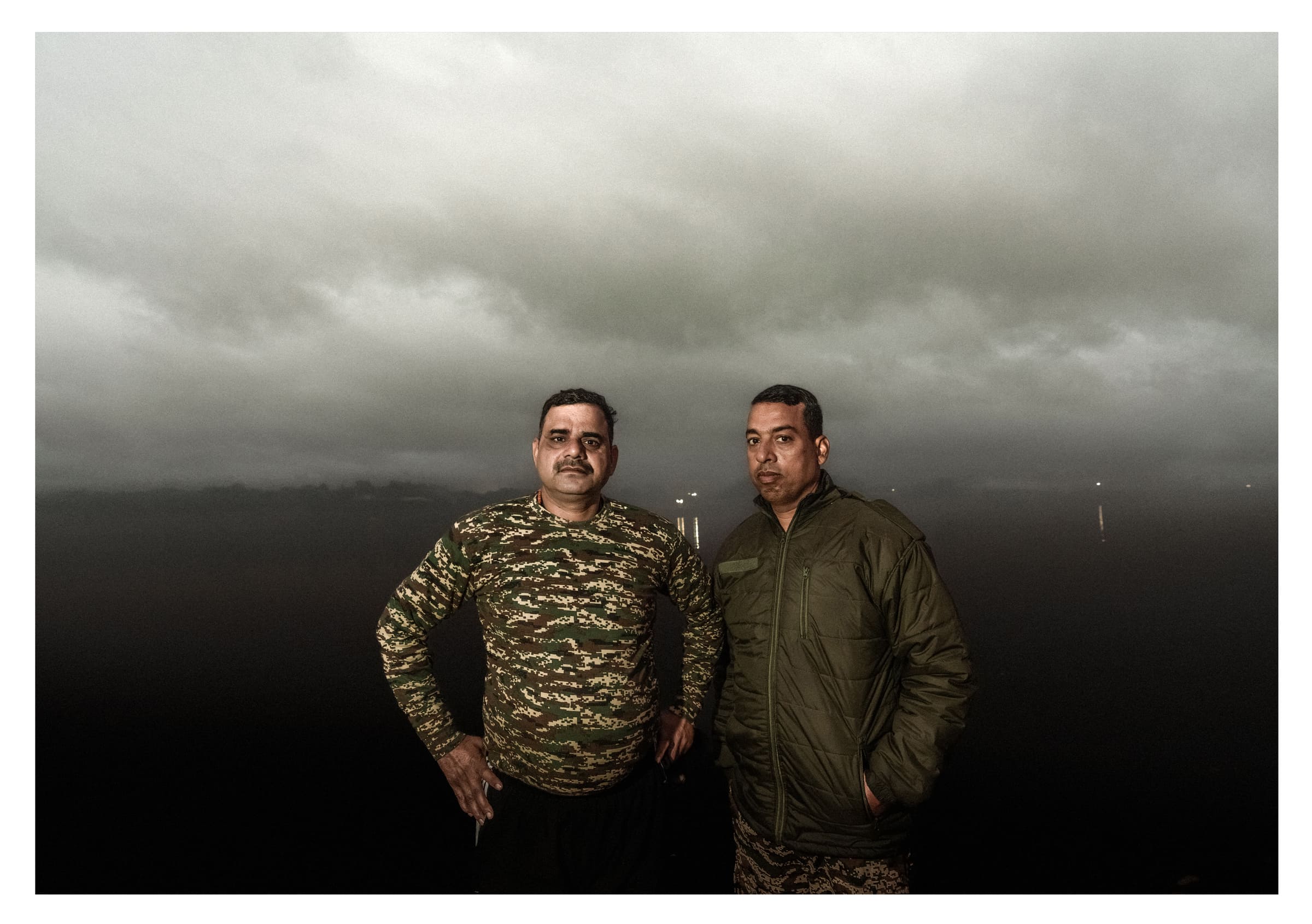
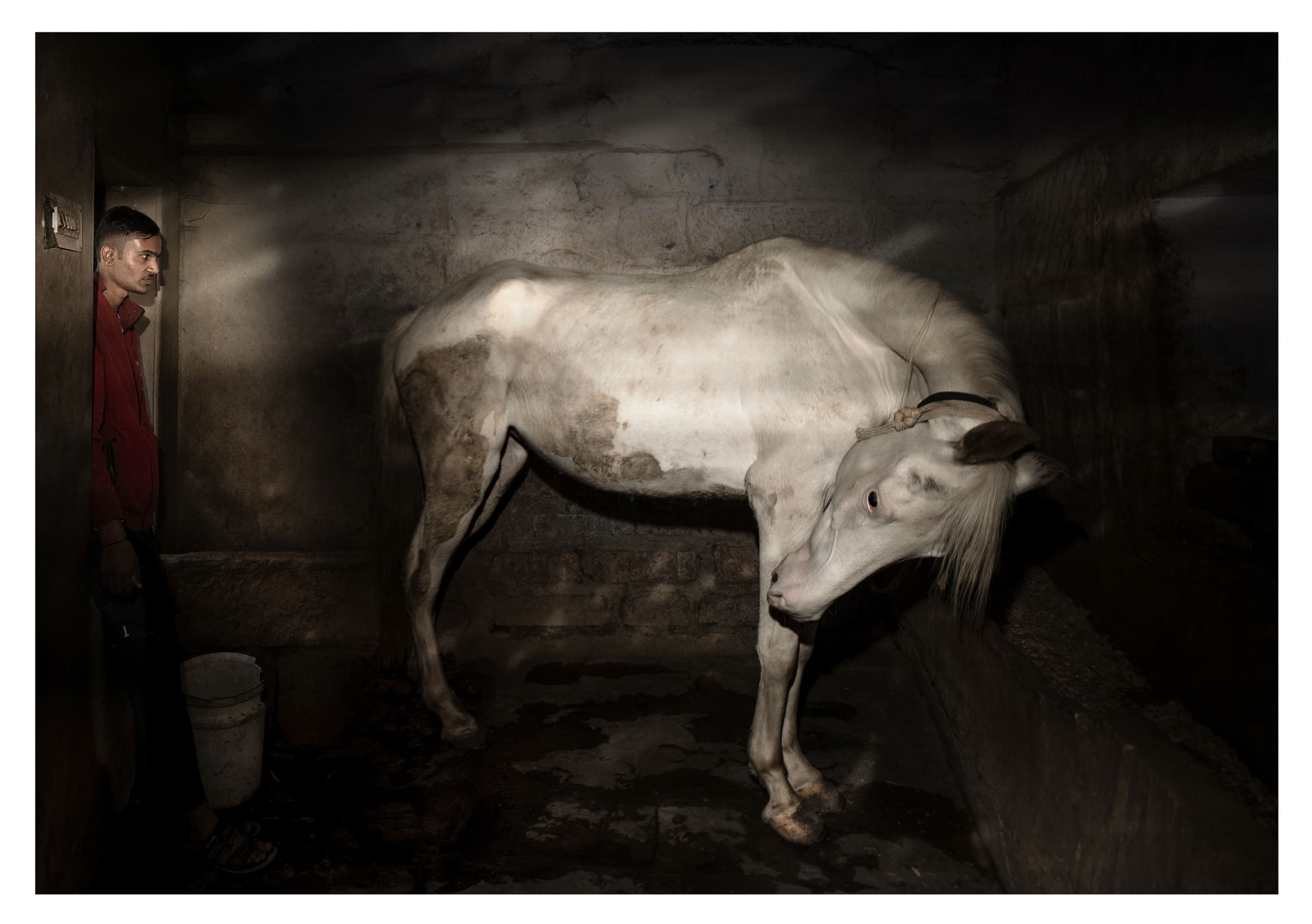
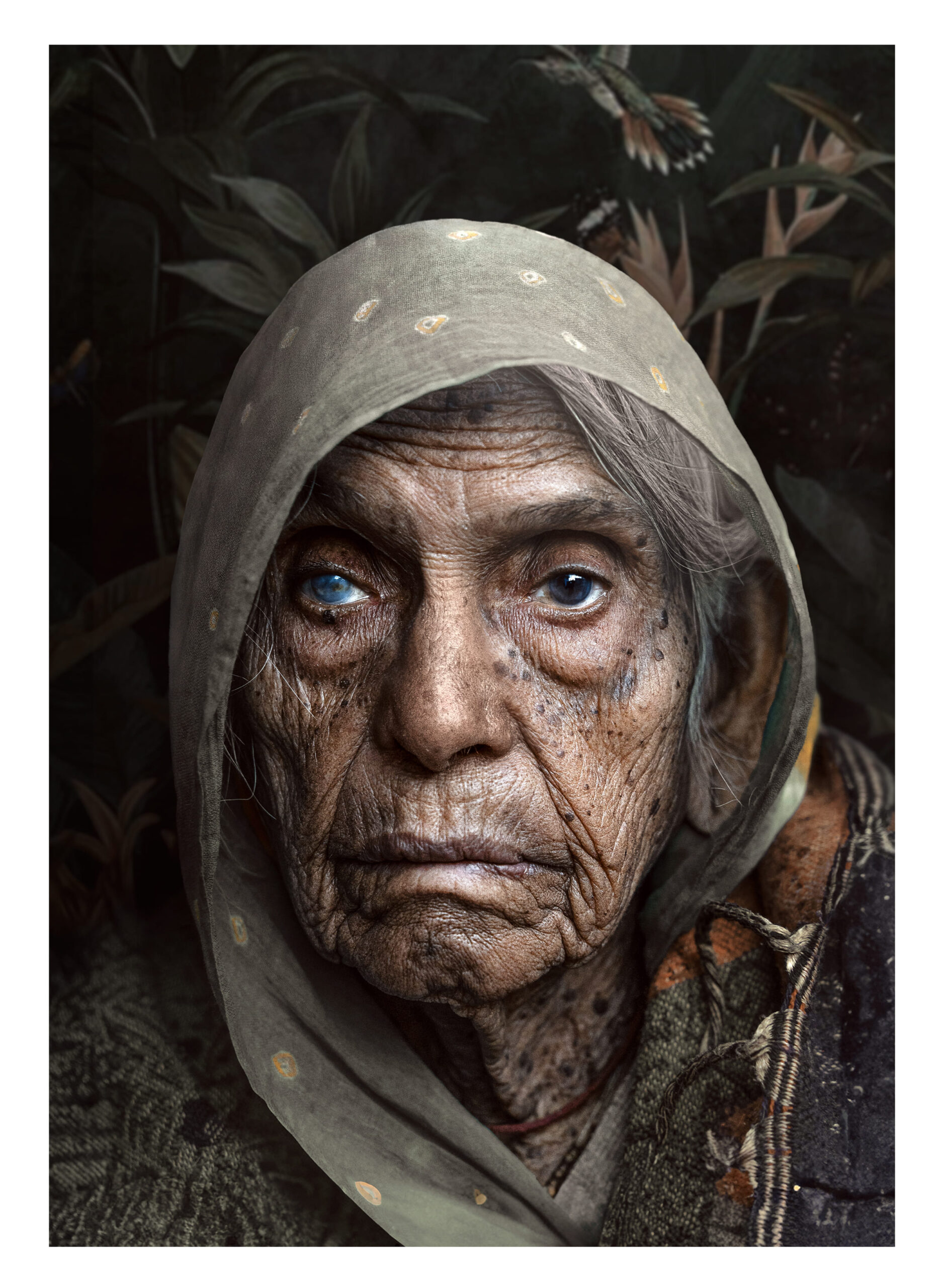
The title ‘The Sound of Silence’ suggests an almost paradoxical pursuit: photographing the echo of noise rather than the noise itself. In an era dominated by visual and acoustic chaos, how do you manage to isolate those “solitary presences” and moments of quiet that you describe as pauses and breaths?
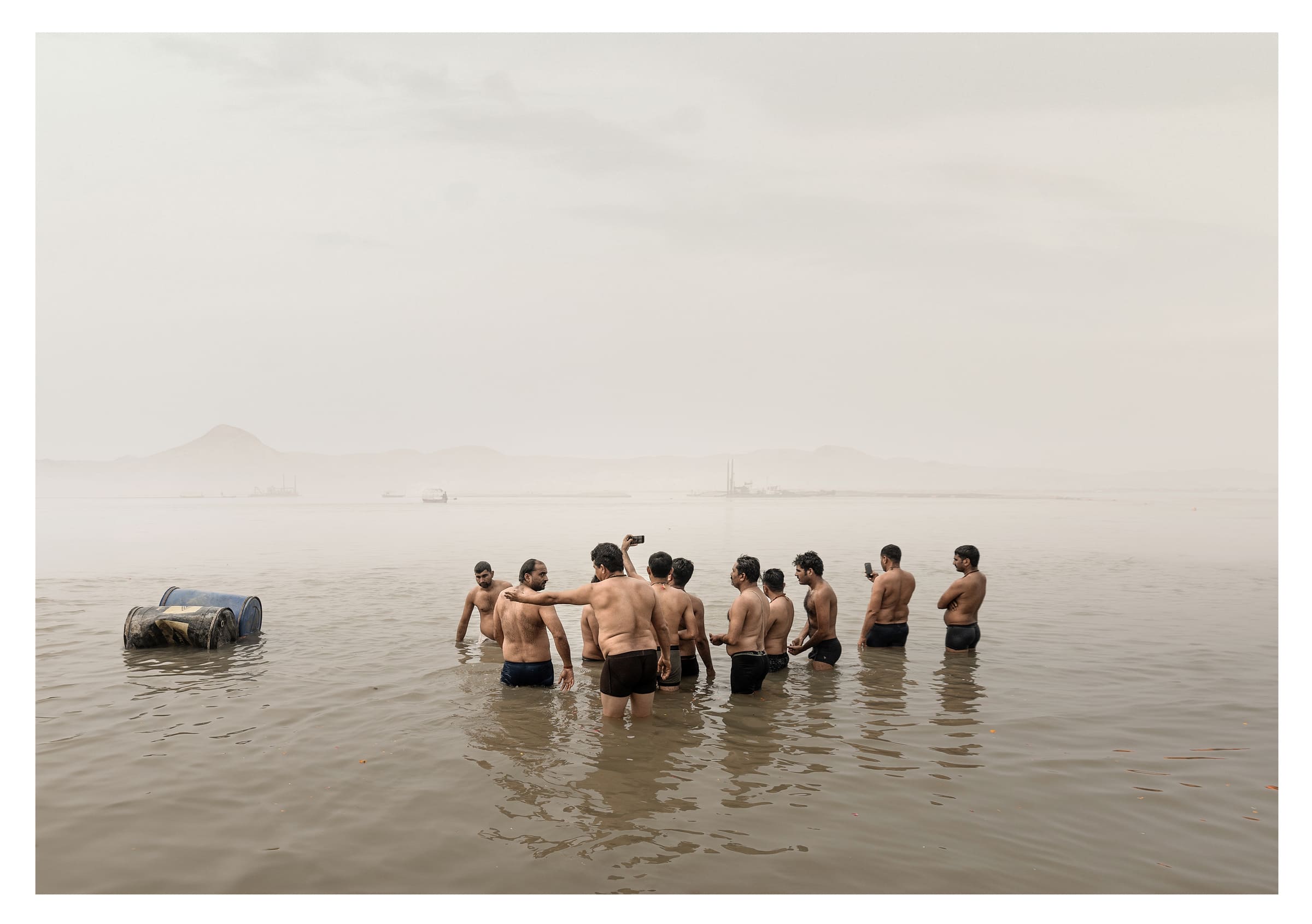
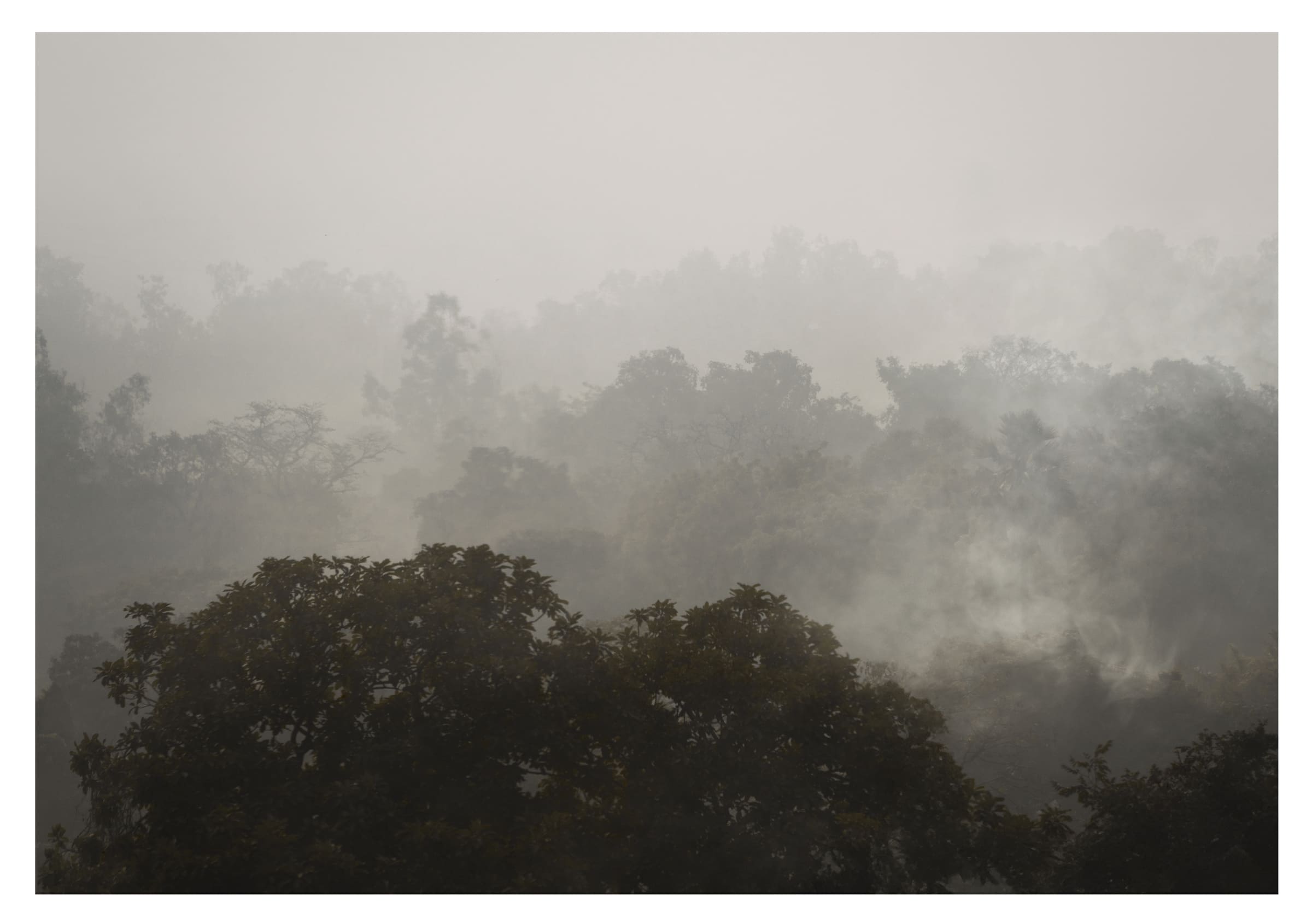
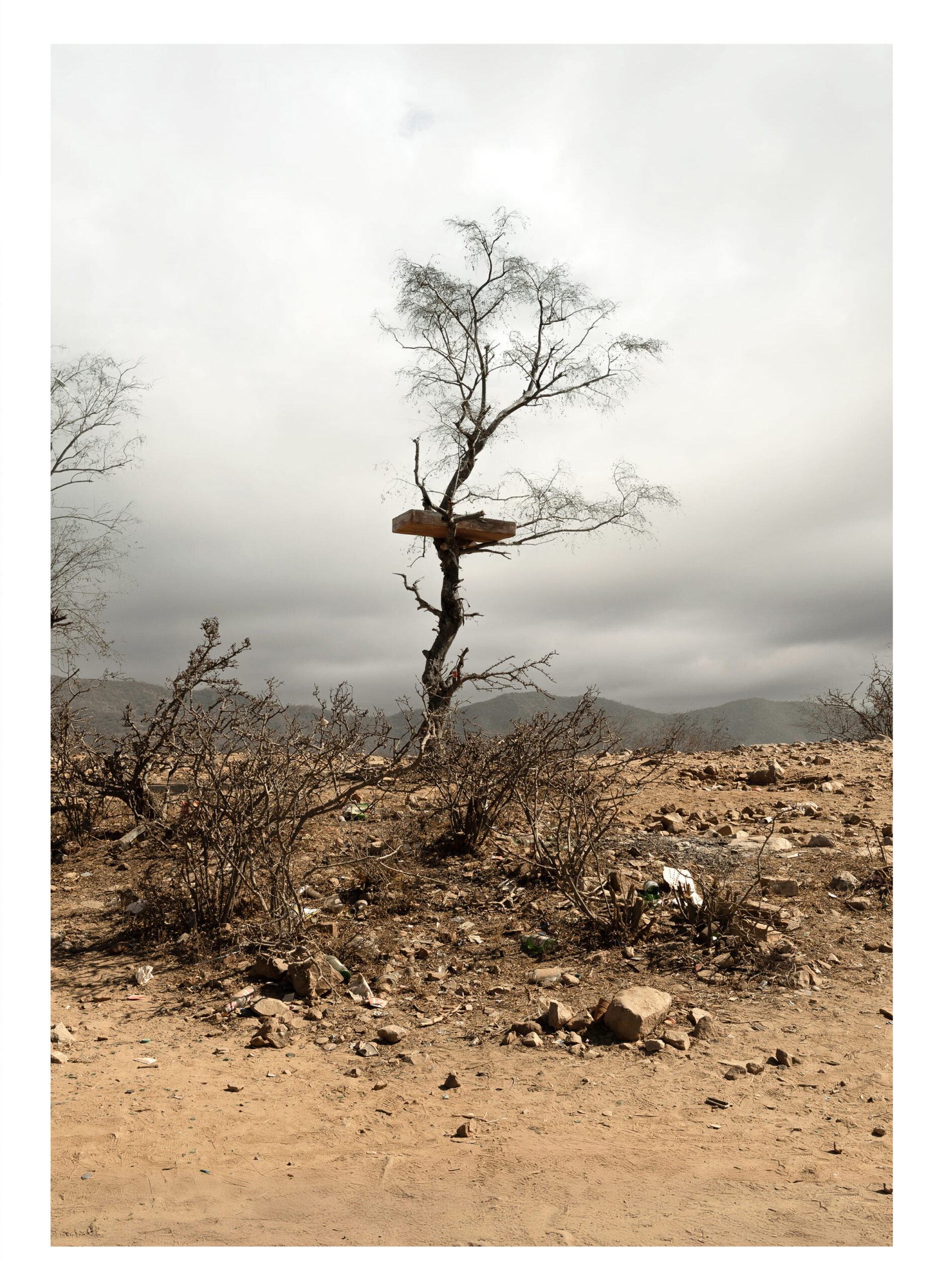
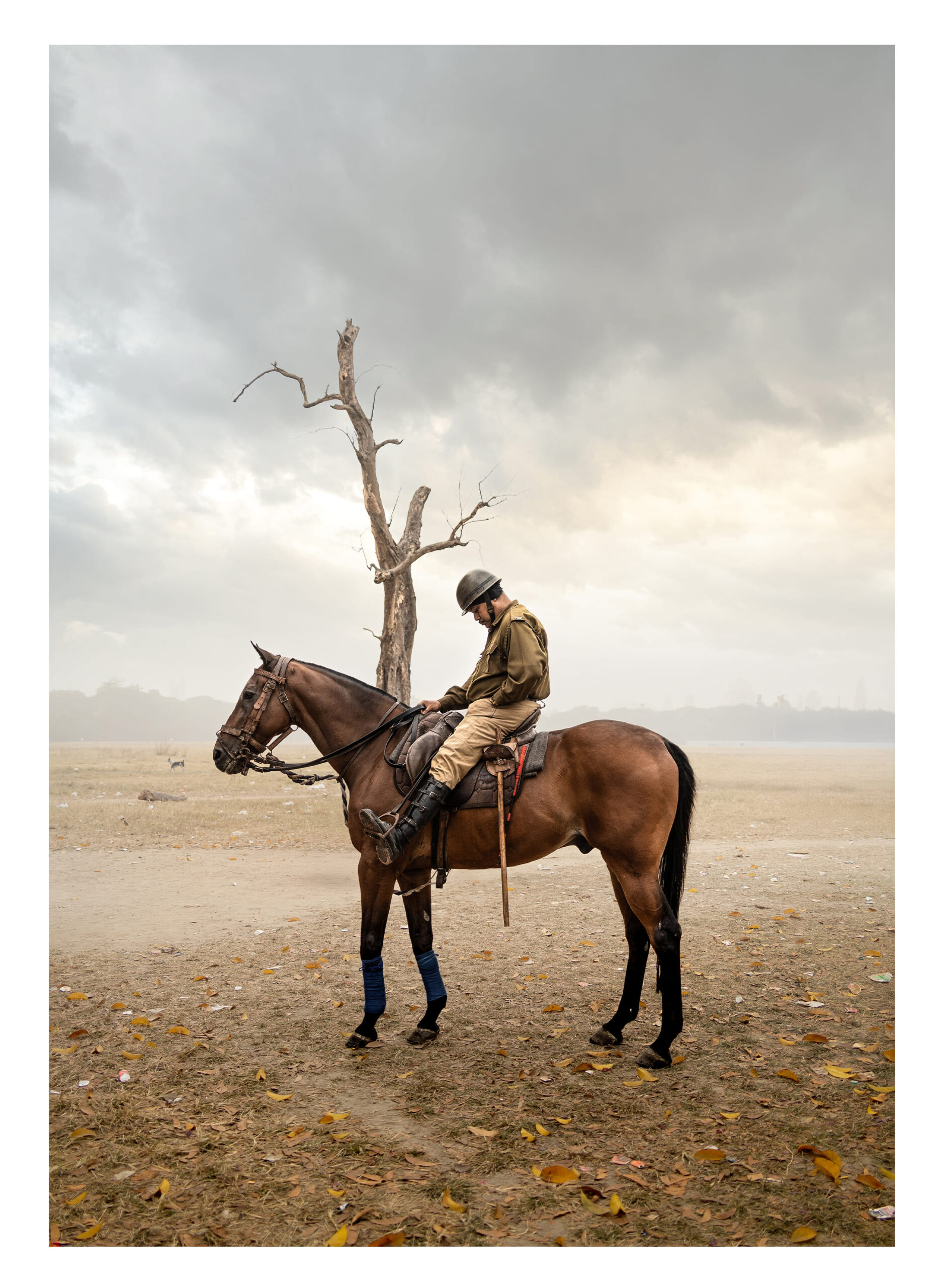
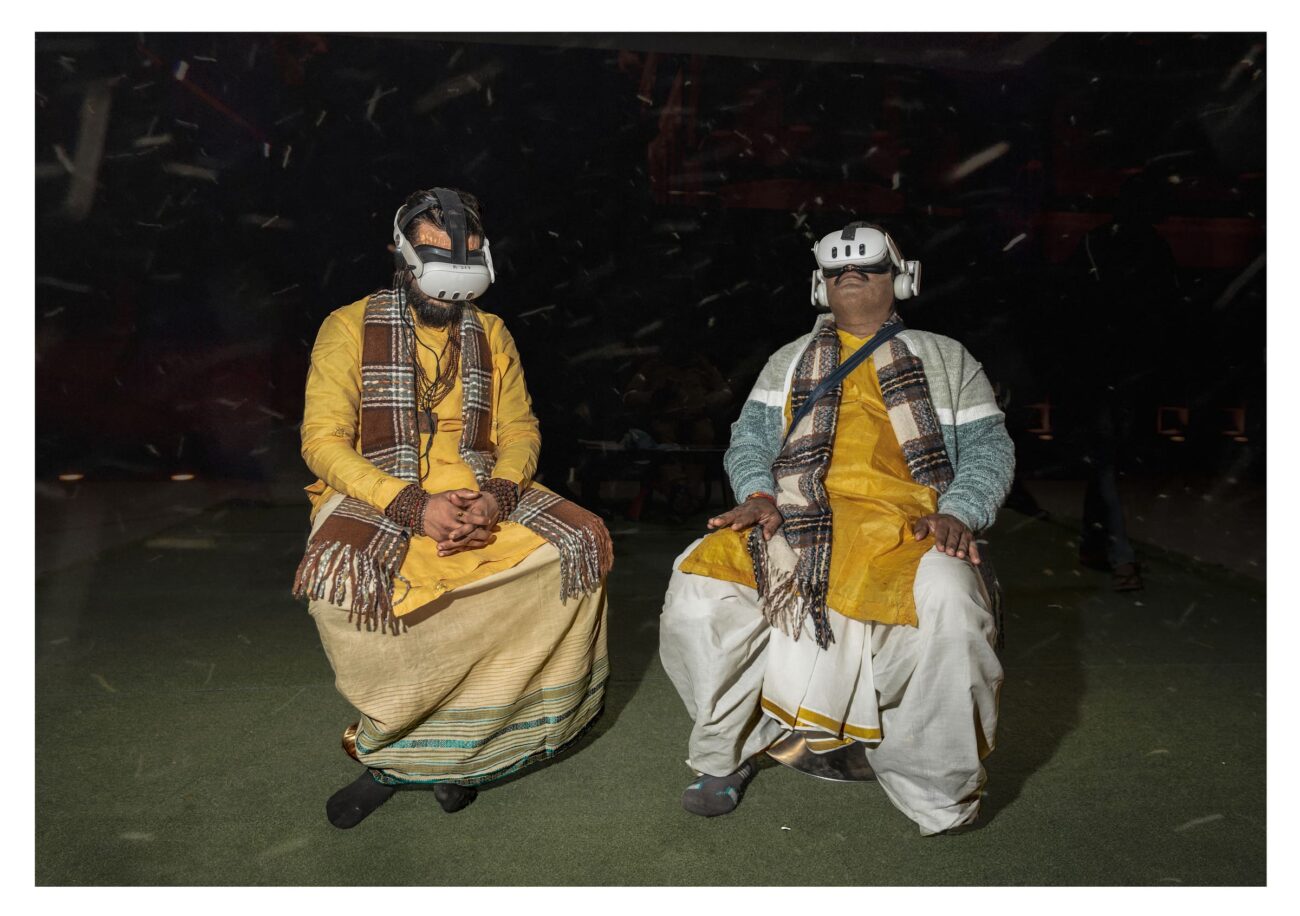
This question goes to the heart of the project. The Sound of Silence stems from an apparent tension: seeking silence not as the absence of noise, but as its echo, as what remains when the din subsides for an instant.
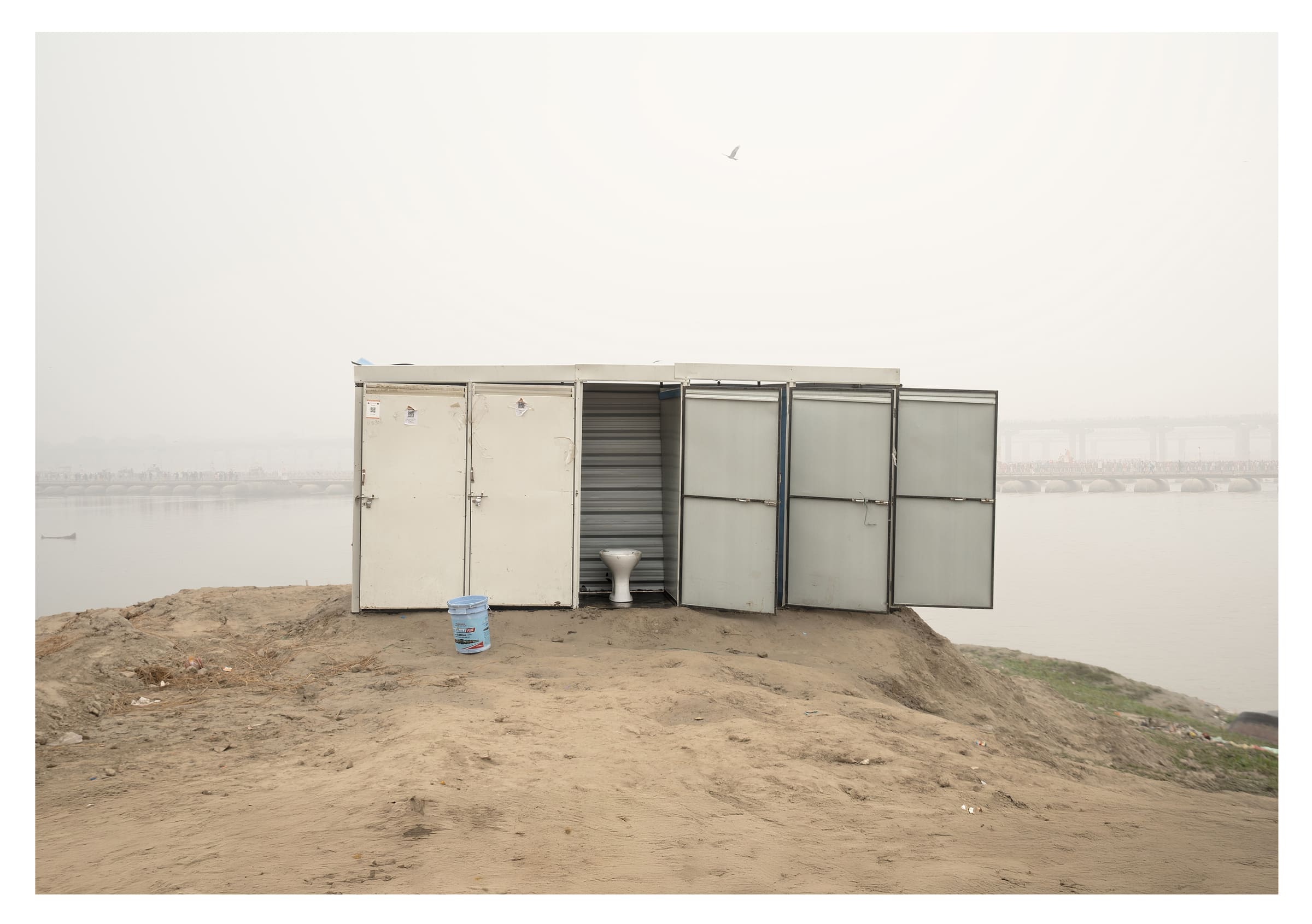
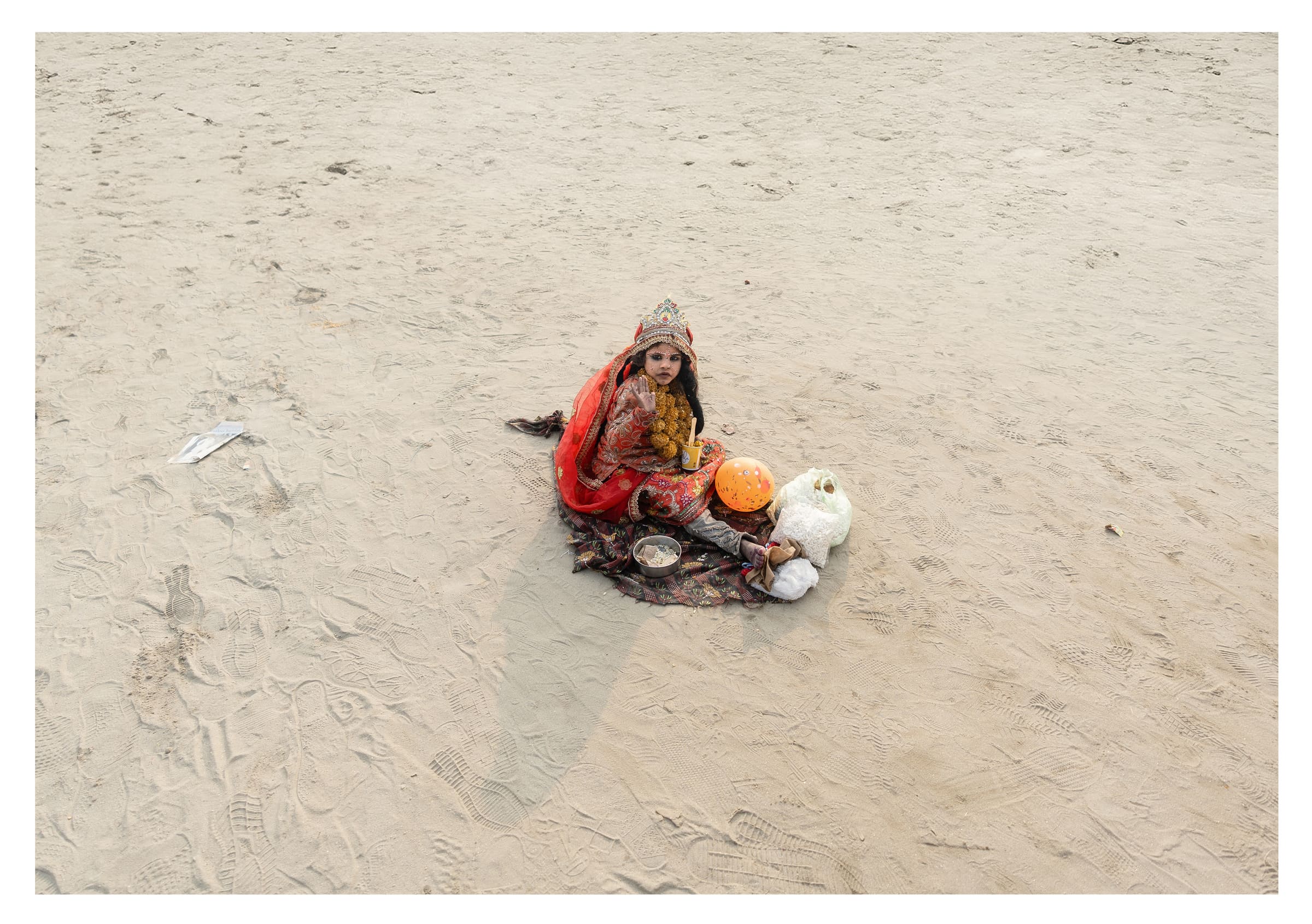
The work was carried out in India, a country I have been exploring photographically for several years and which, more than any other, embodies the idea of visual and acoustic chaos taken to the extreme. Precisely for this reason, the challenge was to extract a distillate, an essence, from that continuous flow: to turn off the noise to let isolated presences emerge, capable of telling the story of what lies hidden within a system seemingly irreconcilable with human synthesis.
I looked for these moments of quiet on the margins: at dawn or dusk, in large urban parks, or in secondary areas linked to collective events, spaces inhabited almost exclusively by workers. Places that could be defined as the “backstage” of Indian society, where time slows down and the image can finally breathe.
You stated that you prefer a “non-analytical” visual language, seeking fusion and contamination between images. Can you elaborate on this concept? How does it translate technically into the construction of your photographic narrative?
My approach to photographic storytelling distances itself from the idea of a classic reportage, built on a logical or chronological sequence intended to explain an event. I am not interested in analysing or describing reality objectively, nor in passing judgment on what I photograph.
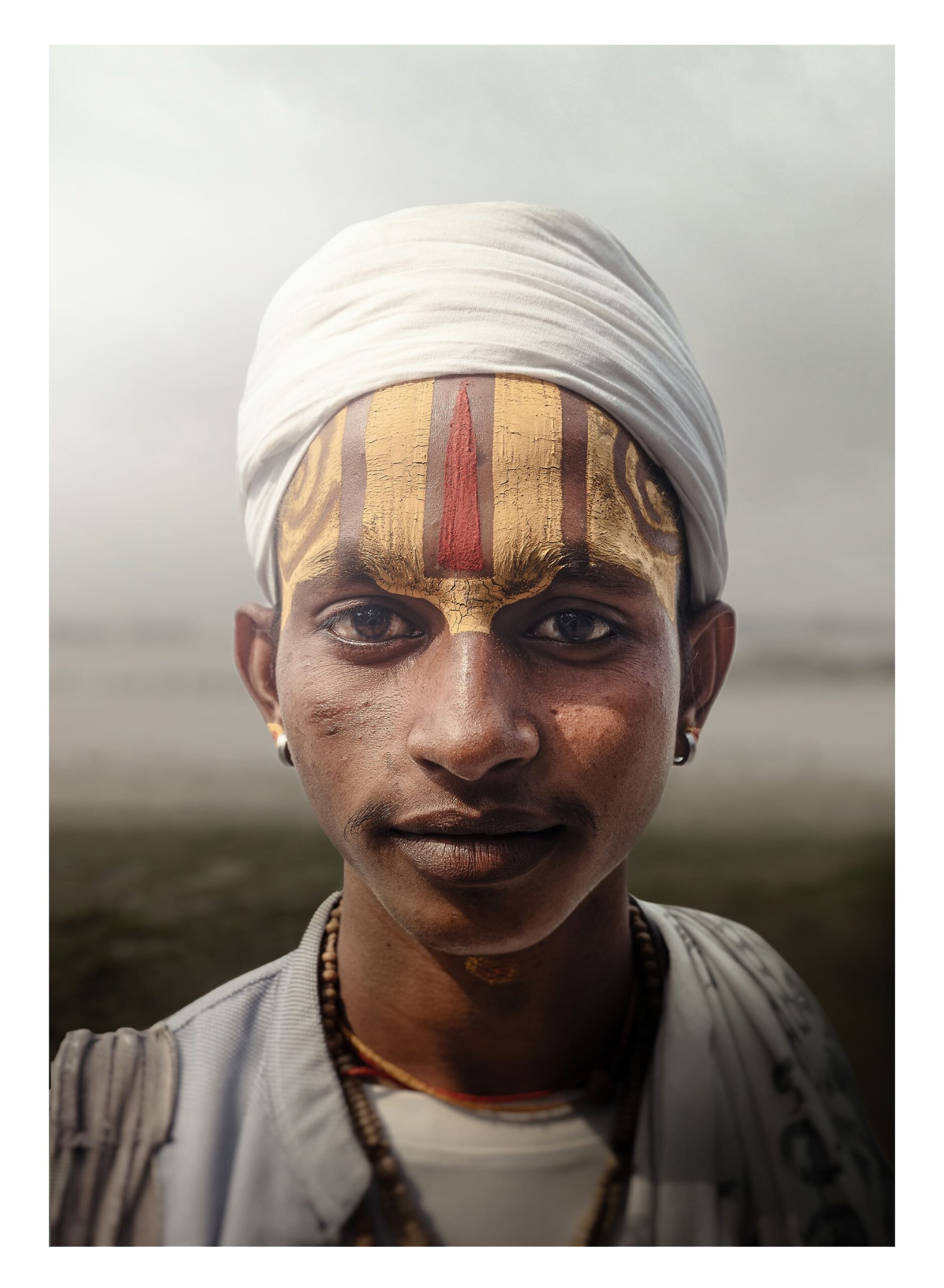
Instead, I seek a visual and emotional connection between different images: portraits, details, landscapes, contexts, and atmospheres. They coexist and contaminate one another. The aim is not to immerse the viewer in the place itself, but in the emotional experience that arises as I inhabit and move through those spaces.
Technically, this translates into a narrative structure based on visual assonance and dissonance. The images do not explain each other; they interact, repel, or reinforce one another. It is an open flow, closer to sensory perception than linear narration, where meaning emerges in the space between one photograph and the next.
Your roots lie in analogue photography and the almost alchemical ritual of the darkroom. What is the most valuable legacy you carry from that ‘slow’ era, and how has your relationship with waiting evolved?
Having lived through the analogue era is, in my opinion, a privilege. The answer is essentially contained in the question itself: slowness.
Slowness was not merely a technical condition, but a mental attitude. It meant reflection, a careful study of light – since photographers, after all, only exist through light – and a conscious evaluation of the framing. Having only 36 exposures available, with no immediate verification, imposed a discipline, a “parsimony of the gaze.” Each shot was a deliberate choice, never an automatic gesture. Today, that parsimony seems to dissolve into a pervasive visual bulimia, where the image is consumed rapidly rather than constructed thoughtfully.
That said, I don’t believe in sterile nostalgia. This overproduction is inevitably transforming photography and its language. My relationship with waiting has also changed: the medium modifies the technique, and the technique influences the thought. Waiting is no longer tied to the chemical time of the darkroom, but it remains an interior dimension – a necessary suspension before the shot, a silent time in which the image takes shape before it even exists.
You were a finalist in URBAN in several editions, and now you return as the winner of a special award. How do you see the evolution of your work and style in recent years?
As in any artistic practice, evolution and change are the true engines that push you forward, forcing you to question what you have done, and to seek new expressive possibilities. Remaining still would mean repeating oneself, and repetition, in art, is a form of stagnation.
In recent years, the most significant change in my work has been the progressive shift away from the centrality of the single image. I have become increasingly interested in constructing projects, where what matters is not so much the isolated strength of a photograph, but the relationships established between images. In this sense, working on a portfolio or a book implies a different system of judgment: photographs stop being autonomous and self-sufficient entities and become parts of a more complex organism. They lose a portion of their individuality in order to gain a new narrative and conceptual strength within a unified body of work. That is where I feel the true maturation of my language lies today.
In addition to the Press Award, you received the Honorable Mention at the URBAN Book Award 2025 for your book Chaos Karma, dedicated to India. While in The Sound of Silence you pursue the echo of quiet, here you immerse yourself in what you describe as a “theatre of chaos” and a “reverse Ikebana.” How do you reconcile these two opposing forces, silence and noise, and how did India challenge your visual grammar, forcing you to move from linear storytelling to a centrifugal vortex of images?
The Sound of Silence is the distilled essence of a much broader body of work born from my exploration of Indian society. In the twelve images allowed by the competition rules, I consciously chose to avoid the stereotype of Indian chaos, seeking instead a suspended, almost meditative dimension capable of conveying another vibration of the country: that of waiting, of inner quiet, of the silences that persist within the noise.
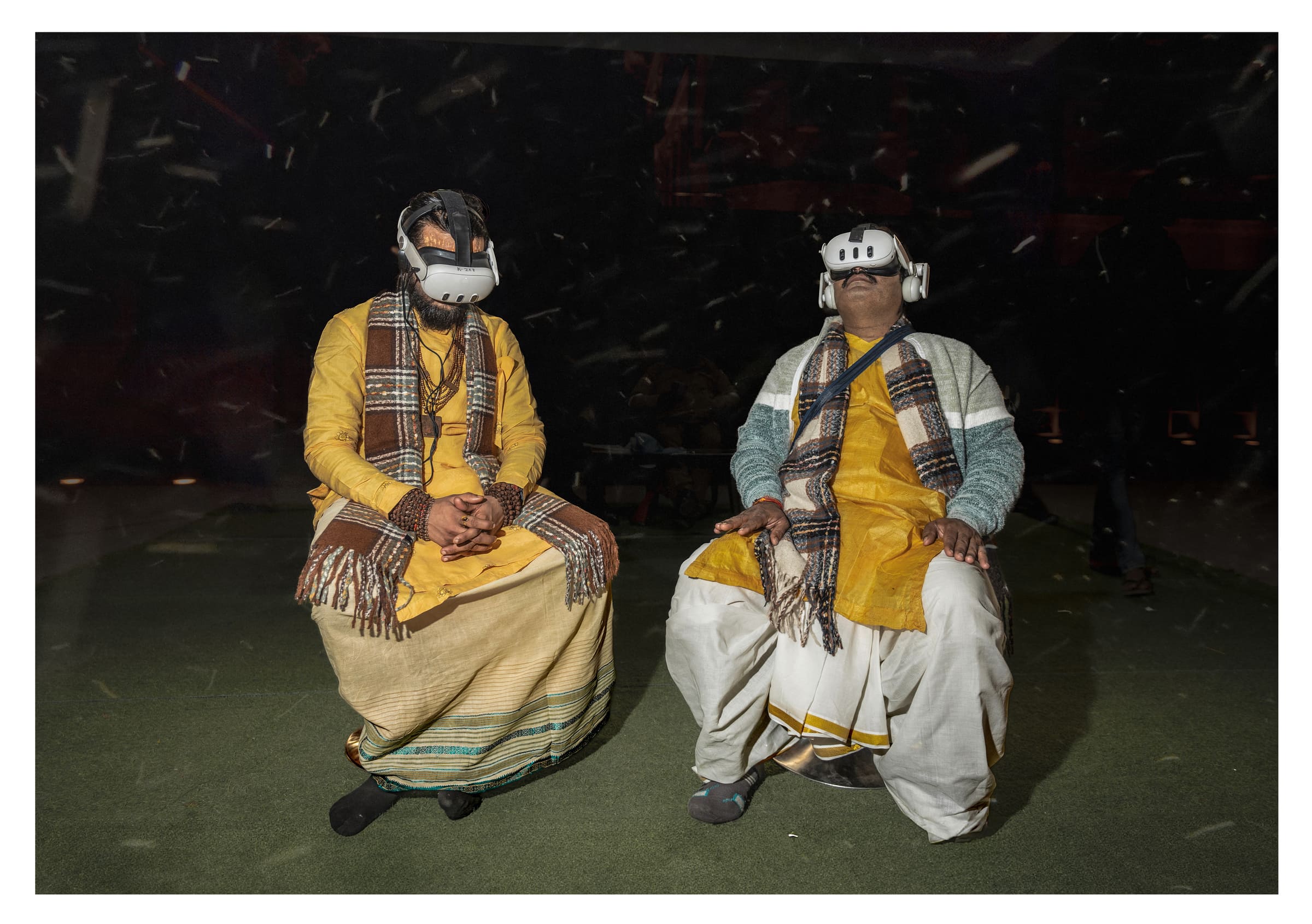
Chaos Karma, on the contrary, is a more extensive and explicit immersion into the “theatre of chaos:” a narrative that traverses spirituality, modernity, social stratification, and pluralism. It is what I called an “reverse Ikebana”: not an art of subtraction and minimal balance, but a composition in which excess, overlap, and disorder find their own internal form and harmony.
I don’t see these two dimensions as opposites, but as complementary. India is both: silence and noise, contemplation and vertigo, invisible order and manifest chaos. My gaze seeks to inhabit this tension without resolving it, accepting contradiction as an integral part of that balance.
My comfort zone has always been a certain idea of order: few elements, a centred and isolated subject, a construction by subtraction. In India, this grammar collapsed. The real challenge was not portraying chaos, but managing to isolate something within a continuous overabundance of visual stimuli. Every scene is layered and simultaneous, with no obvious centre. This forced me to move from linear storytelling to a more centrifugal structure, where the gaze moves, deviates, and cuts across the image.
What is the story you would like to explore in your next project?
I don’t want to sound repetitive, but I have actually just returned from another journey to India. This time, I chose to explore a different region, one with distinct challenges and characteristics. We should remember that India is a subcontinent not only for political reasons, but above all for geographical, geological, and cultural ones.